You’ve got the route mapped. The hotels are booked. You’ve told everyone at work you’re leaving for two weeks in the Alps.
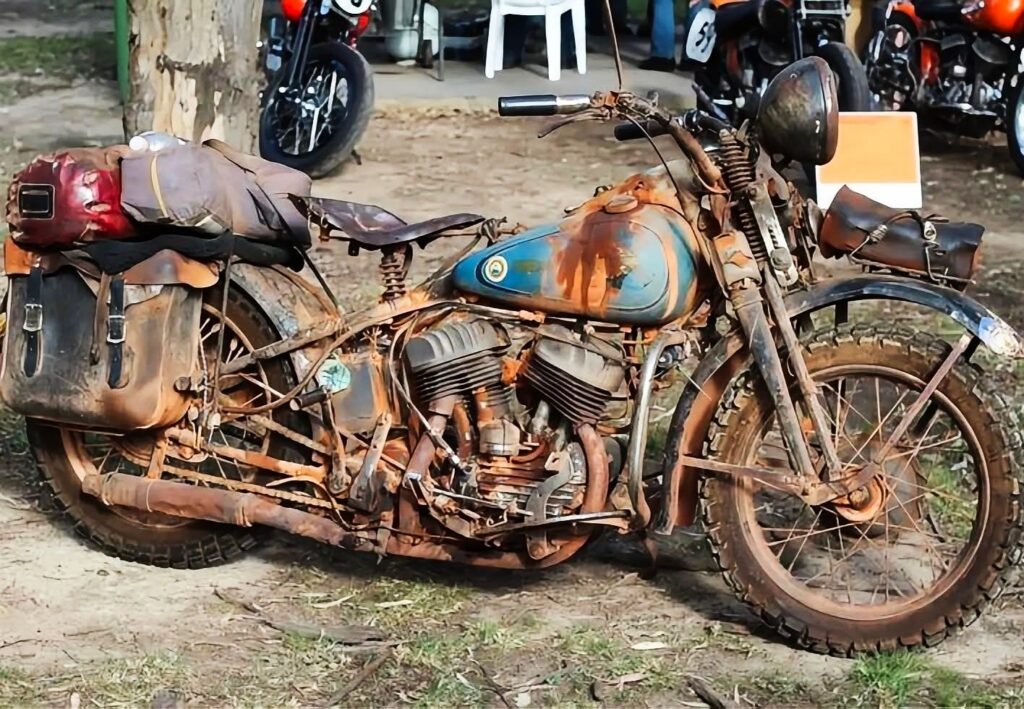
Then, three days before departure, your bike makes a sound you’ve never heard before.
That’s the moment you realise — a European motorcycle tour isn’t just about the rider. It’s about the bike.
And the difference between a perfectly smooth two-week adventure and a nightmare spent in some small-town garage in Austria comes down to one thing: preparation.
This is the pre-tour checklist we use with every rider on Wild Roads adventures. It’s not fancy. It’s not complicated. But it works.
Why Pre-Tour Prep Actually Matters
The cost of being stranded
Here’s what most riders don’t want to think about: if your bike breaks down in the middle of a European tour, you’re not just losing riding time.
You’re paying for:
- A tow service (often extraordinarily expensive in rural areas)
- Emergency repairs at inflated prices (foreign mechanics charge premium rates, and rightly so)
- Hotel nights while you wait for parts to arrive
- Flights home if the repair is serious
- Probably missing the best days of the tour
A simple £50 bearing replacement that you could have done at home in 30 minutes? That becomes £400 and two days lost in a Bavarian garage.
The peace of mind factor
But there’s something more valuable than money — the mental bandwidth.
When you know your bike is properly prepped, you ride differently. You’re confident. You’re not listening for strange noises. You’re not worried about whether something might fail.
You just ride.
And that confidence changes everything about the experience.
Why the week before matters
The reason you do this the week before departure — not the morning of — is because problems need time to reveal themselves.
You might find something that needs ordering. You might discover a mechanic made a mistake. You might realise you need to adjust something after you ride it.
Doing this prep at the last minute guarantees stress. Doing it a week out guarantees solutions.
The Pre-Tour Maintenance Checklist
The absolute essentials
These aren’t “nice to have” checks. These are “your tour depends on this” items.
Tyres
Start here. Check tread depth — you want at least 4mm for Europe. Most riders prefer 5mm+ for long tours.
Check pressure cold (not after riding). Most modern bikes print the correct pressures on the swing arm or in the manual — follow those, not what your local garage tells you.
Look for cracks, bulges, or anything weird in the sidewalls. If something looks odd, replace it.
Why tyres first? Because they’re the only thing between you and the road for 2,000 miles across mountain passes. And a tyre failure at 70mph through the Dolomites isn’t just inconvenient — it’s dangerous.
Brakes
Pad thickness: at least 3-4mm remaining. On a two-week tour with serious descents, pads wear faster than you’d expect.
Brake fluid colour: it should be clear to slightly amber. If it’s dark brown, your fluid has absorbed moisture and needs replacing.
Bleed the brakes if you haven’t in the last year. This isn’t optional for touring. You need confidence in your braking, and old brake fluid doesn’t give you that.
Check your rotors for scoring or warping. If they’re visibly damaged, replace them.
Chain and sprockets
This is the most common failure point on long tours.
Check slack at the midpoint of the chain (should be about 30-40mm). Worn chains stretch and can slip under load.
Check for broken links, tight spots, or rust. If the chain looks tired, replace it. A chain and sprocket set is £100-150. A broken chain in France is a £500+ recovery.
Fluids
Oil: change it if you haven’t in the last 500 miles. You want fresh oil for a long tour.
Coolant: top up and check the colour (usually green or pink). If it looks rusty or cloudy, flush and refill.
Brake and clutch fluid: top up to the line. If they’re at the minimum, something’s bleeding somewhere.
Fuel: fill up with quality fuel. One tank of cheap petrol can cause carburetor issues.
Lights and electrics
All headlight, brake light, and indicator bulbs working? Test them. Seriously — turn on each light and walk around the bike.
Battery in good condition? A weak battery won’t strand you immediately, but it will fail you when you’re sitting in a petrol station cafe in rural Spain and need to start the bike.
Check all connections — any corroded terminals that might cause intermittent electrical gremlins.
The “Smart Rider” Checks
Suspension and steering
Stand the bike upright and push down on the forks — they should compress smoothly and rebound without bouncing multiple times. If they’re bouncy or sticky, they need attention.
Same with the rear shock. Push down, release, and watch it settle — should be one smooth compression and rebound.
Check steering head bearings: roll the bike forward slowly, then apply the front brake and rock the handlebars side to side. Any play (clicking or movement)? The steering head bearings are shot and need replacing before you tour.
Cooling system
Squeeze the radiator hoses (engine cold) — they should have some give but not be soft. If they’re either rock hard or mushy, there’s a problem.
Check for any small coolant leaks around the pump seals or thermostat housing. Small leaks now become big leaks at full operating temperature in the heat of southern Europe.
Air filter
A clogged air filter reduces power and increases fuel consumption. Replace it if it’s been more than 5,000 miles.
For long touring, a clean air filter matters more than you’d think.
Battery terminals
Clean any corrosion with a wire brush. Coat the terminals with a thin layer of dielectric grease to prevent future corrosion.
Loose terminals are a nightmare on tour — they cause intermittent electrical issues that are hell to diagnose.
The Pre-Tour Ride Test
What to test
Take your bike out for a decent 50-mile ride the day before departure. Not just around town — get it on a motorway and some twisty roads, like you’ll actually be riding on tour.
Listen for:
- Unusual noises (knocking, rattling, grinding)
- Vibrations (especially through the handlebars or seat)
- Power delivery changes or hesitation
- Brake feel — should be smooth and progressive, not grabby or spongy
Check for:
- Any fluid leaks (park it and come back 10 minutes later)
- Overheating (watch your temperature gauge or feel the radiators after riding)
- Charging (battery voltage should stay consistent, around 13-14V when running)
If something feels wrong during this test, you’ve got time to fix it. If you skip this test and something feels wrong on day three in the middle of nowhere, you’re screwed.
The mental reset
This test ride does something important beyond mechanics — it reminds you what your bike actually feels like when it’s healthy.
You’ll ride the tour noticing if something changes. That’s the point.
Tools and Spare Parts You Actually Need
The essentials
Don’t go overboard here. You can’t fix everything, and a full toolbox adds weight and complexity.
Bring:
- Spare brake pads and fluid (one bottle)
- Chain lube and spare chain link
- Spare oil and filter
- Puncture repair kit (two tubes’ worth)
- Basic tool kit: spanners (17, 18, 19mm mostly), screwdrivers, pliers, hex keys
- Spark plugs (check your manual, but probably 2-3)
- Fuses (get a variety)
- Gaffer tape and cable ties (solve more problems than you’d expect)
- Spare bulbs (headlight, tail light, indicators)
What you probably don’t need
A full socket set, welding equipment, or spare wheel rims. If you need those, you’re already beyond DIY repair and heading to a shop.
Know where the major parts are
Before you leave, find out where your steering head bearings, fuel pump, and transmission live. Not to replace them — just to know what you’re looking at if something starts making noise.
Insurance and Breakdown Cover
The thing most riders skip
Before you leave the UK, get European breakdown cover.
Not “maybe” — actually get it.
It costs £30-60 for two weeks and covers recovery, onward travel, emergency repairs, and accommodation if you’re stranded. It’s the cheapest insurance you’ll buy, and it’s the one that actually saves you when things go wrong.
Document everything
Take photos of your bike’s serial number, engine number, and overall condition before you leave. Sounds paranoid? It’s not — it’s the difference between a quick insurance claim and a three-month nightmare if something goes wrong.
Also — keep your bike’s service history and any recent work receipts. If you break down in a foreign country, proving you’ve maintained it properly changes how mechanics treat your case.
The Day-Before Checklist
The night before you leave:
- [ ] Full fluid check (oil, coolant, brake fluid, fuel)
- [ ] Tyre pressure and condition check (remember: cold pressure)
- [ ] Brake test — both wheels, both hands
- [ ] Lights all working (headlight, tail light, brake light, indicators)
- [ ] Chain lubed and slack checked
- [ ] Mirrors adjusted and secure
- [ ] Seat and fairings secure
- [ ] Kill switch working
- [ ] Stand solid and working
- [ ] Handlebars steering smoothly
- [ ] All fasteners tight (quick check: does the bike rattle when you rock it side to side?)
This takes 30 minutes. Max.
The Bottom Line
A two-week European motorcycle tour on a properly prepped bike isn’t stressful. It’s the best riding you’ll do all year.
But a two-week tour on a bike you didn’t properly prepare? That’s when you learn expensive lessons.
The difference isn’t complicated mechanics or expensive parts. It’s spending an hour checking things, riding the bike to make sure everything’s right, and knowing that when you’re descending into Tuscany at sunrise, your bike is as solid as your riding skills.
If this year is the year you’re finally going to do that European motorcycle adventure you’ve been thinking about — to ride some of the world’s greatest roads without the planning stress or solo touring anxiety — that’s exactly what the 2027 Wild Roads tour calendar is built for.
Four handpicked European routes. Premium hotels sorted. Routes proven. Backup support on call 24/7. And riders like you, riding at their own pace, discovering that independent touring doesn’t have to be solo.
If your bike is ready and your bucket list has a gap that looks suspiciously like the Alps, grab the full 2027 tour pack.
Fill in the form below and we’ll send you everything you need.
Ride Free. Ride Wild. ✌️
Joshua James
Wild Roads Motorcycle Tours