THE BEST SEASON FOR MOTORCYCLE TOURING IN THE UK
PLANNING YOUR UK MOTORCYCLE ADVENTURE
Imagine the wind in your hair, the sun on your face, and the open road stretching out before you across sweeping mountain passes, rugged coastal headlands, and ancient national parks.
Motorcycle touring in the UK is an adventure like no other, but when is the best time to hit the road? The answer may surprise you.
The UK is known for its unpredictable weather, which can make planning a motorcycle tour a bit tricky. But with a little knowledge and preparation, you can have an unforgettable experience no matter what the season. Whether you are aiming to conquer Scotland’s famed North Coast 500, carve through the dragon-backed passes of North Wales, or explore the quiet single-track roads of Cornwall and the Lake District, timing your tour makes all the difference.
In this article, we’ll explore the pros and cons of touring in different seasons, including what you can expect in terms of weather, traffic, daylight hours, road salt, midges, and scenery. By the end, you’ll have a clear idea of the best time to plan your next motorcycle adventure in the UK.
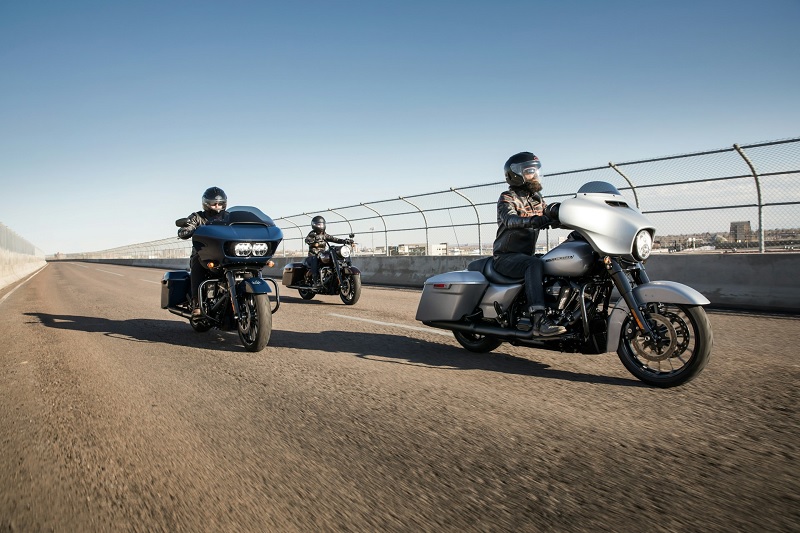
SPRING (MARCH TO MAY)
Spring is a popular time for motorcycle touring in the UK, and for good reason. The weather is starting to warm up, the days are getting longer, and the countryside is coming to life with colorful flowers and lush greenery.
One of the biggest advantages of touring in spring is the mild weather. Temperatures are usually comfortable, with average highs ranging from 10°C to 15°C (50°F to 59°F). And while you may encounter some rain, it’s generally not as heavy or frequent as in other seasons.
Another benefit of spring touring is the lighter traffic. Many tourist destinations are just starting to open up for the season, so you’ll have fewer crowds to contend with on the roads and at popular stops along coastal corridors and national parks.
May is widely considered one of the ultimate sweet spots of the entire UK motorcycle season. By May, daylight stretches to over 16 hours in the Scottish Highlands, temperatures reach a pleasant 16°C, and the infamous Highland midges have not yet hatched. Roads are generally clear of winter salt, and mountain passes are fresh and open.
But keep in mind that spring weather can be unpredictable. You may encounter everything from warm sunshine to chilly winds and rain, so be sure to pack layers and waterproof gear.
SUMMER (JUNE TO AUGUST)
Summer is the peak season for motorcycle touring in the UK, and it’s easy to see why. The weather is warm and sunny, the days are long, and the countryside is in full bloom.
One of the biggest draws of summer touring is the pleasant weather. Average high temperatures range from 18°C to 23°C (64°F to 73°F), making for comfortable riding conditions. And with the longest days of the year, you’ll have plenty of daylight hours to explore.
Summer is also a great time to take in the UK’s many festivals and events, from music festivals to county fairs. And with school out for the summer, it’s a popular time for family vacations and road trips.
Highland Midsummer Advantage
In June and July, civil twilight in Northern Scotland lasts almost all night. You can ride through Glen Coe or around the Applecross peninsula at 10:00 PM in stunning golden twilight with virtually zero traffic on the road.
But summer touring also has its downsides. The roads and tourist destinations can be crowded, especially during peak holiday weeks. And while the weather is generally warm and sunny, you may encounter the occasional heatwave or thunderstorm.
Additionally, summer brings midge season in the Scottish Highlands. Damp, windless summer mornings and evenings can bring out swarms of biting midges (Culicoides impunctatus) when you stop at viewpoints or petrol stations. Packing repellent such as Smidge and riding with fine mesh protection keeps them at bay.

AUTUMN (SEPTEMBER TO NOVEMBER)
Autumn is a hidden gem for motorcycle touring in the UK. The weather is mild, the crowds have thinned out, and the countryside is awash in beautiful fall colors.
One of the biggest advantages of autumn touring is the comfortable weather. Average high temperatures range from 10°C to 18°C (50°F to 64°F), making for pleasant riding conditions. And while you may encounter some rain, it’s generally not as heavy or frequent as in other seasons.
September is equal with May as the finest month for a UK motorcycle tour. The tarmac retains its summer warmth, school holidays have ended, traffic vanishes from iconic coastal routes, and midge populations collapse with the first cool autumn nights.
Autumn is also a great time to take in the UK’s stunning fall foliage. From the golden hues of the Lake District to the russet tones of the Scottish Highlands, the countryside is a feast for the eyes.
But keep in mind that autumn weather can be unpredictable, with everything from warm sunshine to chilly winds and rain. And as the days get shorter, you’ll have less daylight for riding and sightseeing.
WINTER (DECEMBER TO FEBRUARY)
Winter may not be the first season that comes to mind for motorcycle touring in the UK, but it can be a unique and rewarding experience for the adventurous rider.
One of the biggest advantages of winter touring is the lack of crowds. Many tourist destinations are closed for the season, so you’ll have the roads and attractions largely to yourself. And with the holiday season in full swing, you’ll have the opportunity to take in festive lights and events.
Winter touring also offers the chance to see the UK in a different light. The countryside is blanketed in snow and ice, creating a starkly beautiful landscape. And with the sun low in the sky, you’ll have the chance to capture some stunning photographs.
- Empty roads through Snowdonia, Cumbria, and the Scottish Glens
- Cozy traditional coaching inns with roaring log fires
- Stunning low-angle winter sunlight across snow-capped peaks
- Zero midge activity and minimal tourist motorhome traffic
But winter touring also comes with its challenges. The weather can be bitterly cold, with average high temperatures ranging from 4°C to 7°C (39°F to 45°F). And you’ll need to be prepared for snow, ice, and short daylight hours.
If you do decide to tour in winter, be sure to invest in high-quality cold-weather gear, including a heated jacket and gloves. And take extra precautions on the road, as conditions can be slippery and unpredictable.
Furthermore, UK local councils spread thousands of tonnes of rock salt (grit) on major roads. Salt causes rapid metal corrosion on motorcycles unless protective coatings (such as ACF-50 or XCP Rust Blocker) are applied before riding.
SO, WHAT’S THE BEST SEASON FOR MOTORCYCLE TOURING IN THE UK?
The answer depends on your priorities and preferences.
If you’re looking for mild weather and lighter traffic, spring may be the best time to hit the road. If you want warm temperatures and long days, summer is the peak season for a reason. If you’re looking for stunning fall colors and thinner crowds, autumn is a hidden gem. And if you’re up for a unique and challenging experience, winter touring can be a rewarding adventure.
No matter what season you choose, be sure to plan ahead and be prepared for the weather. Pack appropriate gear, check the forecast, and take extra precautions on the road.
With a little knowledge and preparation, you can have an unforgettable motorcycle adventure in the UK, no matter what the season. So what are you waiting for? Start planning your next tour today!
UK MOTORCYCLE TOURING MONTH-BY-MONTH MATRIX
To help you choose the exact window for your UK riding adventure, here is our complete 12-month breakdown covering average temperatures, rainfall, daylight hours, and riding conditions across Great Britain.
January
Deep winter riding. Cold tarmac, ice risks on high passes, heavy road salting. Best restricted to low coastal routes on clear days with full electric heated gear.
February
Late winter chill. Crisp blue-sky days occur between winter Atlantic depressions. Low mountain passes frequently freeze; salt protection on bikes is essential.
March
Season kickoff. Days lengthen noticeably. Sunshine brings warm sensations, but road surfaces remain cool. Great for early season weekend blasts in southern regions.
April
Early shoulder season. Unpredictable “April showers” balanced by dry, bright spells. Low tourist traffic makes famous routes like the North Wales A470 very pleasant.
May ★ PRIME SWEET SPOT
Exceptional touring conditions. Long daylight, dry road spells, blossoming countryside, quiet roads, and zero midges in Scotland. Highly recommended!
June
Peak summer riding begins. Longest daylight of the year (18.5 hrs in Northern Scotland). Warm tarmac, buzzing motorcycle culture, and vibrant scenic beauty.
July
Warmest month. Ideal riding temperatures across all four nations. High tourist traffic in national parks; early morning and late evening rides yield empty twisties.
August
High summer touring. Peak school holiday period. Busy coastal traffic, but dry warm days make for superb coast-to-coast passes in Wales, Yorkshire, and Scotland.
September ★ PRIME SWEET SPOT
The rider’s favorite. Traffic drops significantly post-school holidays, tarmac retains summer heat, midges decline, and autumn golden light begins.
October
Autumn spectacle. Incredible forest colors in Perthshire and Cumbria. Cool air and damp morning asphalt require smooth riding and thermal mid-layers.
November
Late autumn damp. Shorter daylight hours, wet fallen leaves on rural roads, lower grip levels. Suited for experienced riders enjoying quiet countryside journeys.
December
Mid-winter conditions. Short daylight window (6.5 hrs in Highland Scotland). Snow on high ground, heavily salted roads. Festive stopovers and crisp winter light.
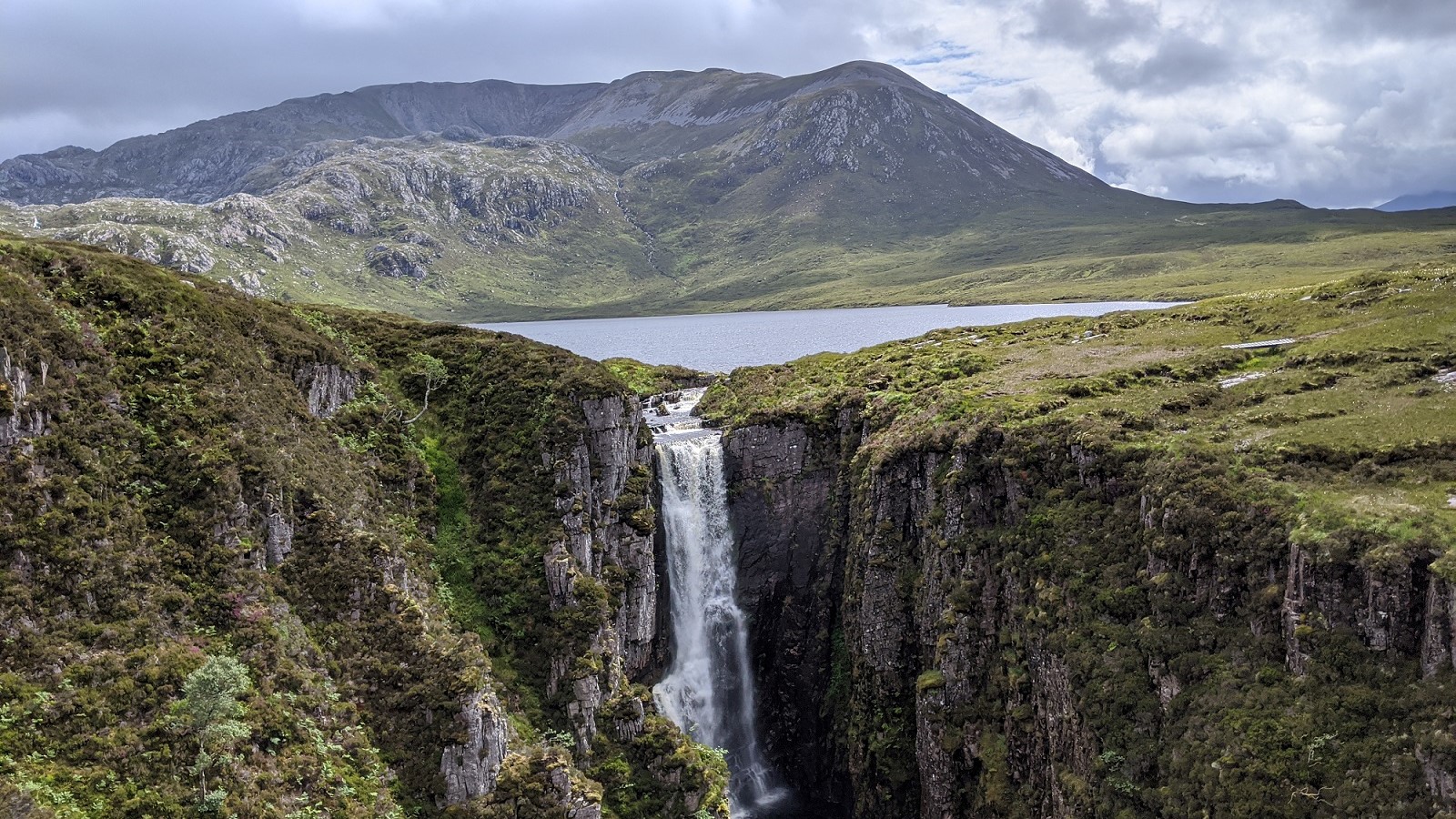
UK WEATHER CONSIDERATIONS & MICROCLIMATES
The maritime climate of Great Britain means weather is heavily influenced by Atlantic frontal systems and mountain geography. Understanding these microclimates keeps you dry, safe, and smiling:
- West Coast vs East Coast Split: The western regions (Western Highlands of Scotland, Lake District, Snowdonia, Cornwall) receive substantially higher rainfall than eastern coasts (Aberdeenshire, Northumberland, Yorkshire, Kent). If a western weather front rolls in, pivoting your route eastward often brings dry sunny tarmac.
- Rapid Mountain Weather Changes: In mountain ranges like the Brecon Beacons, Snowdonia, or the Cairngorms, weather changes in 15 minutes. A sunny 18°C valley ride can turn into a 6°C misty drizzle at the summit of a pass.
- Gore-Tex & Laminated Rain Gear: Traditional drop-liner waterproofs absorb surface water and feel heavy and cold. Laminated Gore-Tex or quality outer rain suits stop water at the shell, preventing wind-chill during long riding days.
- Road Salt & Winter Corrosion: From November to April, UK councils salt roads heavily. Salt combined with moisture corrodes aluminum, fasteners, and brake calipers. Spraying your bike with ACF-50 or XCP Rust Blocker before your tour forms a protective barrier.
- Scottish Midge Management: Biting midges thrive in calm, damp, warm conditions in the West Highlands from late May to late August. They cannot fly in wind speeds above 6 mph or in direct hot sunlight. Carry Smidge insect repellent and a fine mesh head net in your tank bag for fuel and coffee stops.
UK-SPECIFIC TOURING TIPS & ROAD ETIQUETTE
Navigating British roads on two wheels comes with unique local characteristics that every touring rider should know:
1. Single-Track Road Etiquette & Passing Places: Throughout rural Scotland, Wales, and Northern England, many of the finest motorcycle roads are single-track width with designated Passing Places. Always pass to the left. If a vehicle is behind you or coming towards you, pull into the left passing place (or stop opposite one on the right). Never park in a passing place to take photos—locals and delivery vehicles rely on them to keep remote communities moving.
2. Mountain Pass Closures: Famous high passes—such as Bealach na Bà (Applecross) in Scotland, Hardknott Pass and Wrynose Pass in Cumbria, or Llanberis Pass in Wales—have steep gradients up to 33% and hair-pin turns. In frost, ice, or snow, these passes are not salted and become impassable. Always verify weather reports or local council notices before attempting high altitude passes between late October and April.
3. Massive Daylight Hours Variance: The UK spans nearly 1,000 km north-to-south. In Cornwall during midsummer, sunset occurs around 9:30 PM. In the Shetland Islands and North Highlands of Scotland, sunset is after 10:30 PM with twilight stretching until midnight. In mid-winter, however, sunset in Scotland is as early as 3:30 PM.
4. Bank Holiday & School Holiday Traffic Surges: UK Bank Holiday weekends (Early May, Late May, Late August) create massive surges in domestic travel. National parks become congested with campervans, caravans, and day-trippers. Riding midweek (Tuesday through Thursday) during these peak periods yields a vastly superior motorcycle experience.
5. Livestock & Open Fells: Large areas of Wales, Dartmoor, the Yorkshire Dales, and the Scottish Highlands feature unfenced open grazing. Sheep, Highland cattle, and wild deer roam freely onto tarmac, particularly around dusk and dawn. Reduce speeds through unfenced stretches and anticipate animals behind blind bends.
EUROPE VS UK TOURING SEASON: STRATEGIC COMPARISON
Many riders ask how the UK motorcycle season compares with continental European tours. Here is how we strategically plan tour calendars at Wild Roads:
UK & Scotland Touring Window
Moderate temperatures, gorgeous coastal twisties, zero heat exhaustion. May and September offer optimum dry days with quiet roads. High summer (July/Aug) is warm and bright, suited for coastal runs and long evening rides.
Explore our guided UK Motorcycle Tours and Scotland Motorcycle Tours.
European Continental Window
In high mountain ranges like the Alps, Pyrenees, and Picos de Europa, mountain passes stay snowed-in until late May. High summer (July/August) brings intense 35°C+ heatwaves in Southern Europe. May-June and September represent the absolute sweet spot for European riding—warm clear passes, minimal traffic, and perfect riding comfort.
“Absolute 5-star experience riding with Josh and Wild Roads. The route planning across sweeping mountain roads, hand-picked hotels, and sheer attention to detail made this the trip of a lifetime!”
“Josh took all the stress out of planning. Perfect timing on every pass, unbelievable riding, brilliant hotels, and great banter throughout. I wouldn’t tour with anyone else.”
“Fabulous tour from start to finish! Flawless organization, incredible scenery, and riding roads I’ll never forget. Highly recommend booking a tour with Josh!”
FREQUENTLY ASKED QUESTIONS
Here are answers to the most common questions riders ask when choosing the best time for a motorcycle tour in the UK:
RELATED MOTORCYCLE TOURING ARTICLES
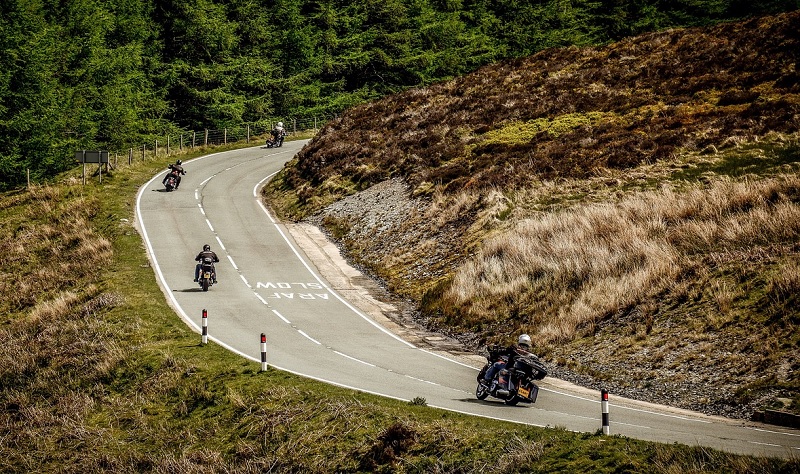
Top 10 Motorcycle Routes in the UK for Breathtaking Views
Discover the top 10 scenic riding routes across England, Wales, and Scotland, featuring twisty mountain passes and coastal runs.
Read Article →
The Ultimate Guide to Planning Your First UK Motorcycle Tour
Everything you need to know to plan a flawless UK motorcycle trip—from packing lists and luggage to navigation and hotel booking.
Read Article →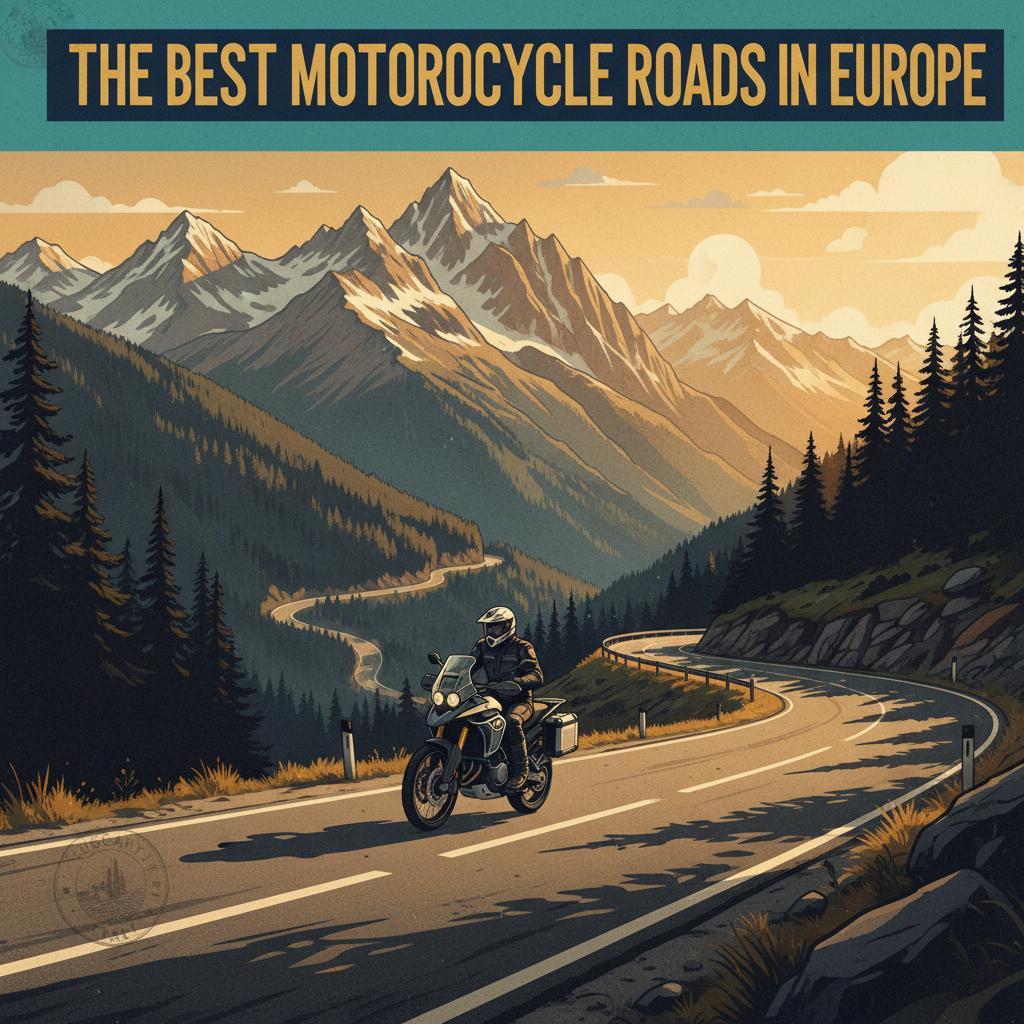
The Best Motorcycle Roads in Europe: A Rider’s Guide
Explore Europe’s greatest alpine passes, coastal highways, and hidden mountain switchbacks in Spain, France, and the Balkans.
Read Article →READY TO PLAN YOUR UK MOTORCYCLE ADVENTURE?
Whether you want to ride Scotland’s dramatic Highlands, North Wales mountain passes, or join us on an epic European tour, Wild Roads takes care of every detail—from hand-picked luxury stays to expert route guidance.
Download our official tour packs to explore detailed itineraries, dates, and prices for upcoming UK and European tours.
REQUEST TOUR INFORMATION
Get instant access to detailed tour itineraries, route maps, and availability.