There’s a moment every serious motorcycle rider reaches where the weekend loops around the local roads just don’t cut it anymore.
You start thinking about distance. About routes that stretch across countries, not counties. About spending days in the saddle, watching the landscape transform around you, learning your bike and yourself in ways that a Tuesday evening commute never could.
That’s where solo long-distance touring comes in. And yes — isn’t it lonely? Isn’t it dangerous? What if something goes wrong?
Fair questions. But here’s what years of riding across Europe has taught me: solo touring isn’t about being alone. It’s about being present. And the confidence you build on a long solo ride? That changes everything about how you ride, how you think, and what you’re capable of.
If you’re thinking about taking the leap — whether that’s a week across France, two weeks through the Balkans, or joining one of our 2027 motorcycle tours — this guide is for you.
Why Solo Touring Changes Your Riding
When you’re riding solo, every decision is yours. There’s no one to fall back on, no backup rider to set the pace. This sounds intimidating — and it should be taken seriously — but it’s also where real growth happens.
You become hyper-aware of your bike’s behaviour. You notice how she handles at different speeds, how she responds in different weather, where her limits are and where yours are. You learn to trust your instincts because you have to. You read the road ahead not just for traffic, but for surface changes, loose gravel, unexpected hazards.
Your focus sharpens. Your awareness expands. And mentally? Solo touring strips away distraction. No conversation to zone out into, no one else’s schedule or mood to manage. Just you, the bike, and the road ahead. It’s meditative. Grounding. The kind of clarity that’s genuinely hard to find anywhere else.
Building Confidence Before You Go
Start smaller than you think you need to
If you’ve never toured long distance, don’t plan a 2,000-mile first tour. Do an overnight first. Two nights. Three nights. Get comfortable with the logistics — packing, navigation, accommodation, fuel stops, fatigue management — before you stack the days high.
Every rider who’s done a multi-week European tour started somewhere smaller. The goal isn’t to be ready before you go. The goal is to go and learn what being ready actually feels like.
Know your bike properly
Most riders know their bike in familiar conditions — the roads they always ride, the speeds they’re comfortable at. Long-distance touring puts your bike in situations it’s never been in on roads it’s never touched. Know how she handles fully loaded. Know what she feels like on gravel or wet tarmac at touring pace. Do a full service before you go. Check your tyres properly — not a quick glance, a proper check.
A breakdown at home is inconvenient. A breakdown on a mountain pass in northern Albania is a different thing entirely.
Invest in your riding skills
If you haven’t done an advanced riding course, do one. IAM Roadsmart, BikeSafe, or similar. The techniques you’ll learn — systematic observation, planned overtaking, smooth throttle and brake management — are transformative on long distance. The difference between a rider who’s completed advanced training and one who hasn’t is obvious within the first hour of riding together.
Planning a Solo Route That Works
Distance vs. experience ratio
The single biggest mistake new long-distance riders make is planning too many miles per day. 300 miles sounds modest on paper. On unfamiliar roads, in changing weather, fully loaded, stopping for fuel and food and photos — 300 miles is a long day. For most riders, 200–250 miles per day is the sweet spot. Enough to feel like you’ve covered ground. Not so much that you arrive at your hotel too tired to enjoy where you are.
Build in buffer days. Build in rest days. And build in flexibility — because the best moments on a motorcycle tour are almost always the ones you didn’t plan.
Navigation — GPS, paper, or both
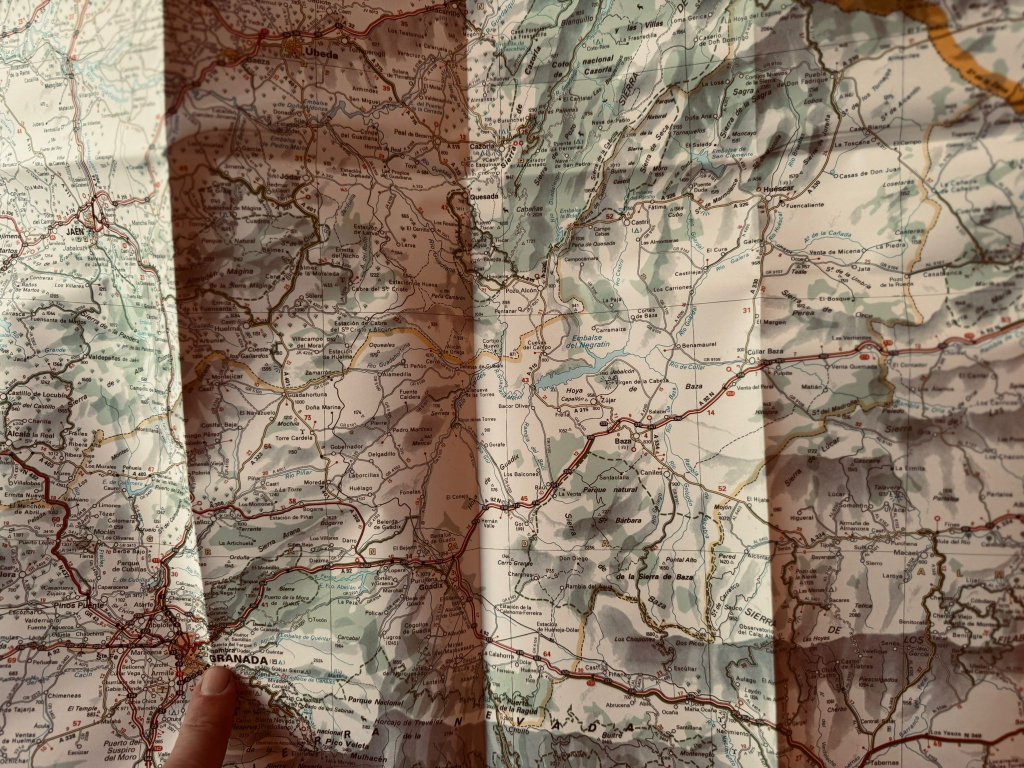
Modern GPS units like the Garmin Zumo series are excellent for touring. Programme your route in advance, add waypoints at the roads you want to hit, and let it do the heavy lifting. But always carry a paper map or download offline maps on your phone as a backup. Batteries die. Mounts fail. And sometimes the best road is one a GPS doesn’t know about.
Accommodation — book ahead or stay loose
In peak season Western Europe, book at least a few nights ahead — particularly in popular areas like the Alps or the Dolomites. In Eastern Europe or shoulder season, you often have the flexibility to ride until you find somewhere you like and just stop. Don’t underestimate small family-run guesthouses — they’re often the best part of the trip.
The Mental Game of Long-Distance Riding
Managing fatigue properly
Fatigue on a motorcycle is not like fatigue in a car. On a bike, tiredness compromises your balance, your throttle smoothness, your decision-making and your ability to read hazards ahead. By the time you notice you’re tired, you’ve already been riding impaired for a while.
The rule is simple: stop before you need to. Every 90 minutes, get off the bike. Stretch. Eat. Walk around. Hydrate. A 15-minute break every hour and a half will add half an hour to a long day and take 30% off your fatigue by the end. That’s a trade worth making every time.
The loneliness question — honestly answered
Yes, you will have moments of loneliness on a solo tour. Usually late on a long day in a hotel room in a town where you don’t speak the language. That’s real and it’s normal.
But here’s the thing: solo riders talk to more people than group riders do. You’re approachable in a way that a convoy of ten bikes isn’t. Locals come up to you. Other riders engage with you. You eat at the bar and end up in three-hour conversations with people you’d never have met otherwise.
Which is exactly why the Wild Roads Open Road Collective model works so well — you get the community and the camaraderie, but you still ride your own ride, at your own pace, every single day.
The Gear That Gets You There
Long-distance solo touring demands respect for preparation. Your bike needs to be in solid condition. Your gear needs to work as hard as you do. The essentials experienced riders don’t compromise on:
- Waterproof riding jacket with proper armour — not optional on a multi-week European tour.
- Waterproof touring boots — wet feet on day one demoralise you for the whole trip.
- Quality helmet with good noise damping — noise fatigue over long days is massively underestimated.
- Proper luggage — panniers or quality soft luggage, genuinely waterproof and properly secured.
- Tool kit and puncture repair — you don’t need to be a mechanic, but handle a flat you must.
- First aid kit — small, light, hopefully never needed.
- Emergency contact plan — someone at home knows your route and checks in with you.
For a complete packing checklist tailored to European touring, our 2027 Tour Pack download covers everything in detail — what to bring, what to leave behind, and how to pack a bike properly for different climates and durations.
Where to Go: Route Ideas for Solo Tourers
The Alpine Circuit
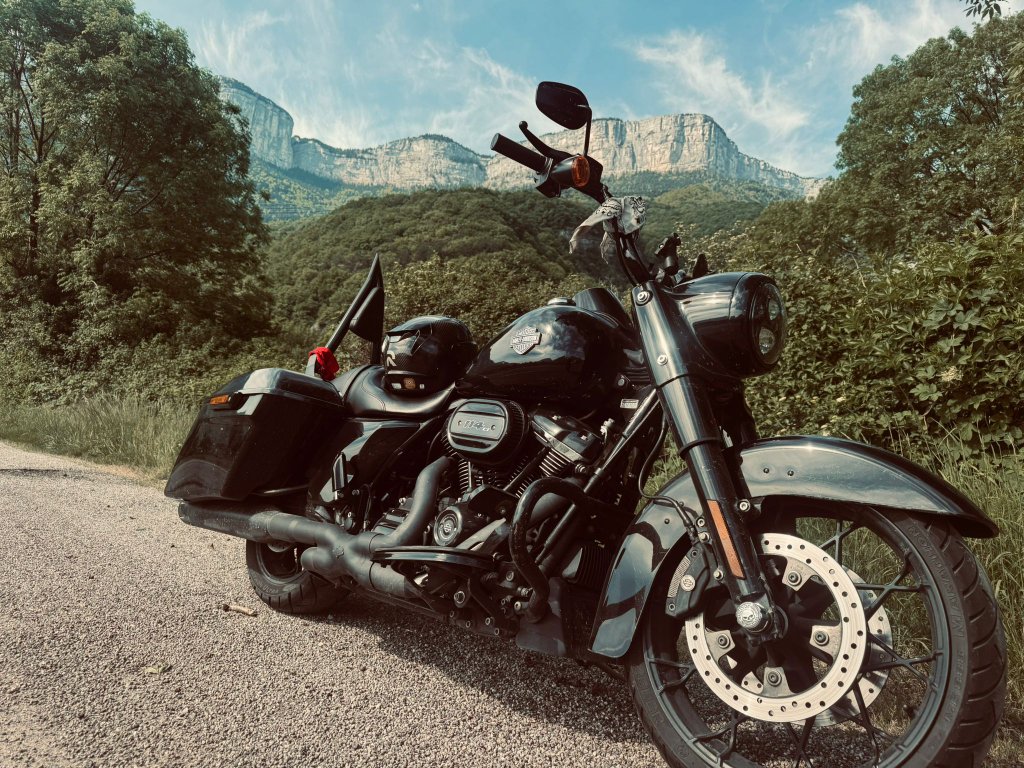
France, Switzerland, Austria, northern Italy — looping through the great Alpine passes. The Stelvio, the Grossglockner, the Furka, the Col du Galibier. Bucket-list roads that reward careful riding and punish complacency. Best ridden June–September when the high passes are reliably open.
The Balkan Run
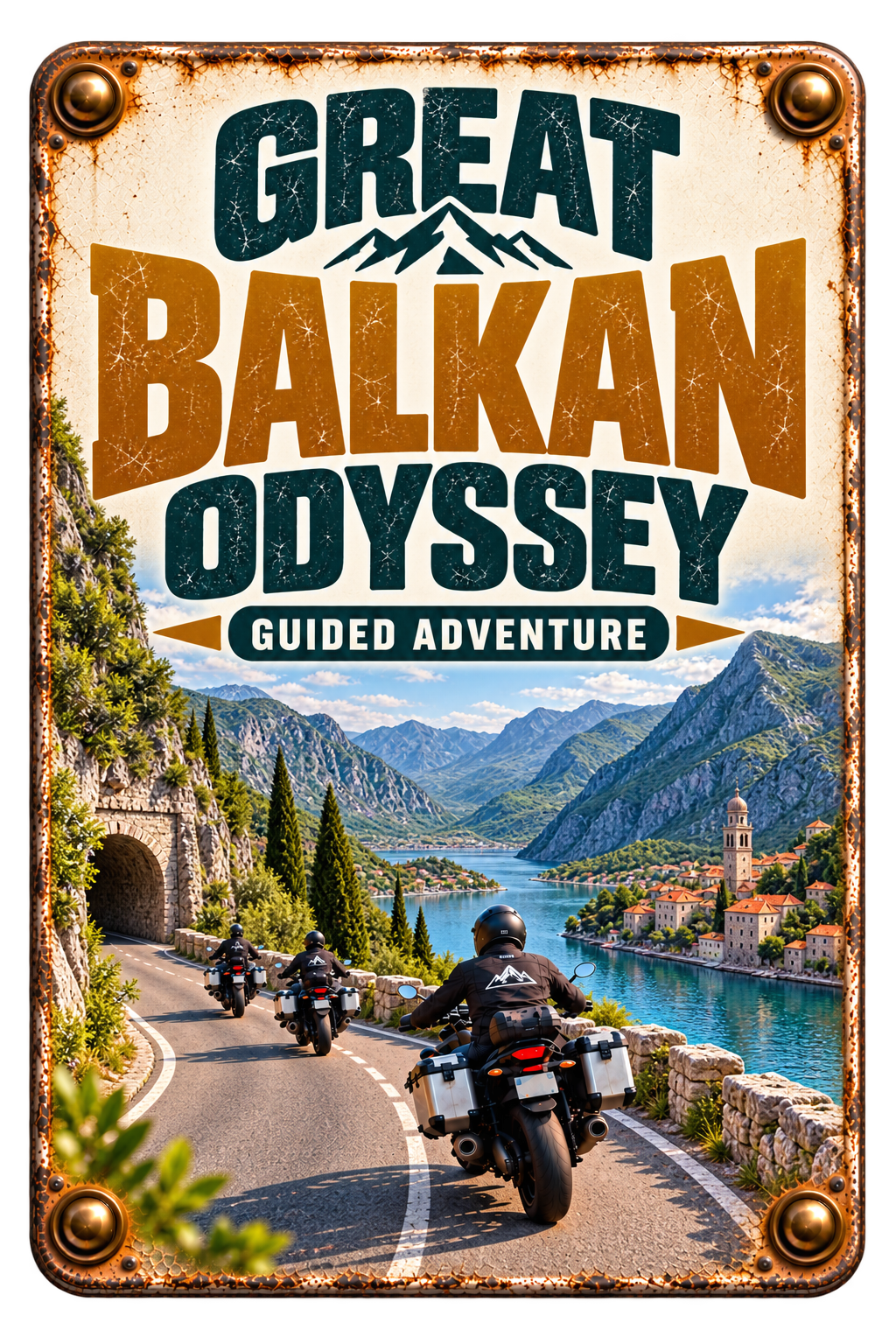
Slovenia, Croatia, Bosnia, Montenegro, Albania — the Balkans offer the best riding in Europe that most riders still haven’t discovered. Empty roads, dramatic mountain scenery, extraordinary coastline, and genuine warmth from the local people. Check out our Balkan tours for 2027 if you want to do it with a crew.
The Iberian Peninsula
Spain and Portugal offer incredible variety — the Pyrenees, the Sierra Nevada, the empty plateau roads of central Spain, the dramatic Atlantic coastline of Portugal. Spring and autumn are ideal. A two-week Iberian loop covers an enormous amount of ground at almost any pace.
Riding With Others — Without Losing Your Freedom
Solo touring is extraordinary, but sometimes you want the company. The shared dinners. Someone to debrief the day with.
The answer isn’t a traditional guided tour where you ride in formation and someone else makes every decision. That’s not freedom — that’s just being on a very slow bus with better scenery.
The answer is what we’ve built with the Wild Roads Open Road Collective — a group of like-minded riders, all riding their own routes, all moving at their own pace, converging at the same destination each evening. Browse the full 2027 tour calendar to see what’s lined up.
Ready to Ride Your Own Road?
Solo long-distance touring is one of the most rewarding things you can do on a motorcycle. It builds genuine skill, real confidence, and a kind of self-reliance that stays with you long after the tour ends.
The only question worth asking is: when are you going?
If 2027 is your year — whether you’re planning a solo adventure or want to ride with people who understand exactly why you do this — fill in the form below and we’ll send you the full Wild Roads 2027 tour pack: routes, dates, pricing and everything else you need to make it happen.
Ride Free. Ride Wild. ✌️
Joshua James
Wild Roads Motorcycle Tours