Wild Roads Journal · Northern Spain & The Pyrenees
I have a confession. Of every route Wild Roads runs — the Dolomites, Tuscany, the Balkans, Morocco — the one I keep coming back to is the one closest to home. The Picos & Pyrenees loop starts with an overnight ferry from Plymouth and spends fifteen days weaving through northern Spain’s mountains before crossing into France for the big cols. It should not work as well as it does. The distances are modest, the roads are outrageous, and the whole thing feels like a secret that Spanish and French riders have been quietly keeping to themselves.
In 2026 I ran it twice: once in late spring, when the mountains were still crisp and green, and once in high August, when the high passes were dry and the evenings stretched on forever. Both crews came off the ferry at Portsmouth convinced they’d just ridden one of the best weeks of their lives — and they had. So with 2027 dates now live, here are the ten reasons I’d give you for making this your ride next year. Every photo in this article comes from those two trips, and you can see the lot in our tour gallery.
reason one
The Picos de Europa — mountains most of Europe has never heard of
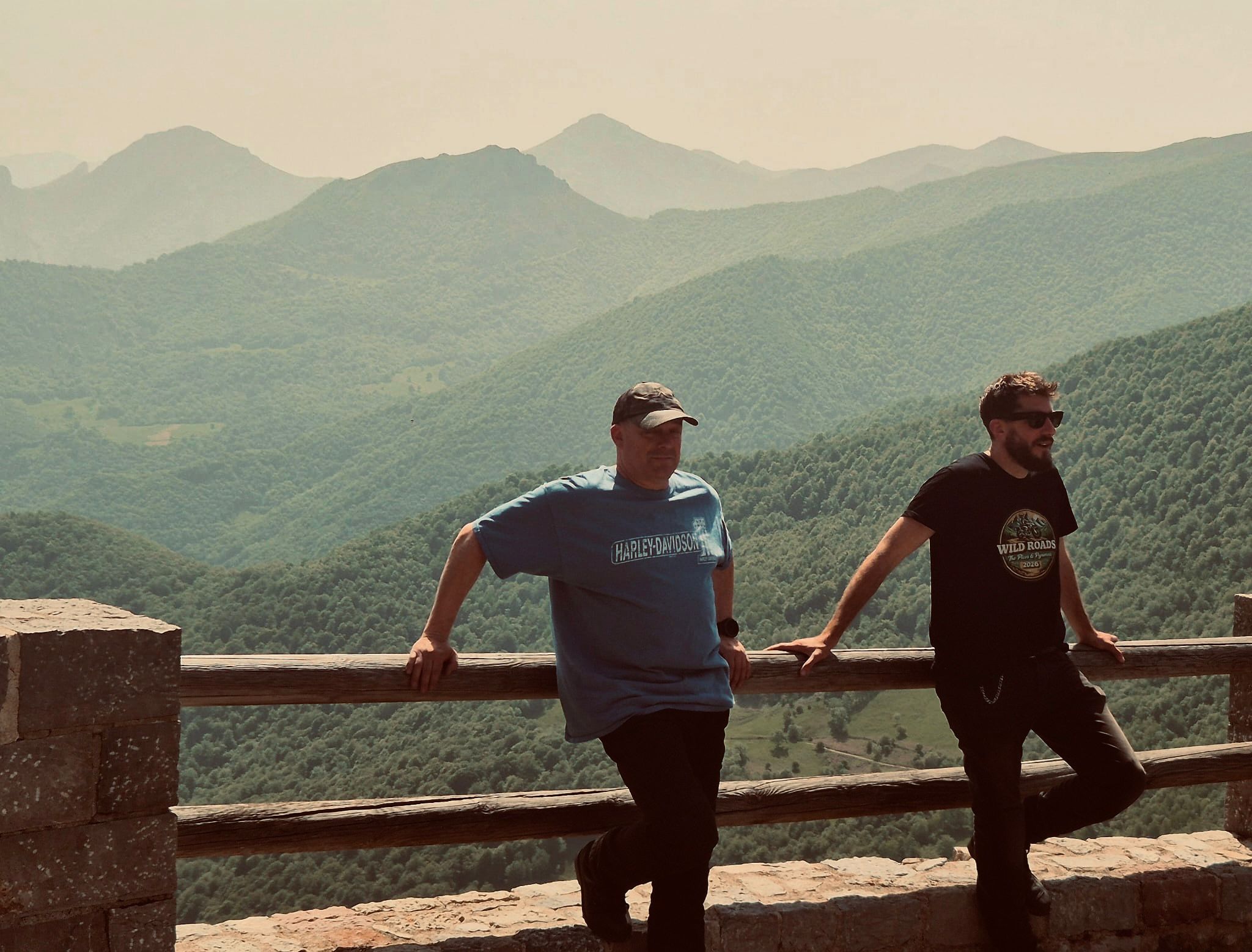
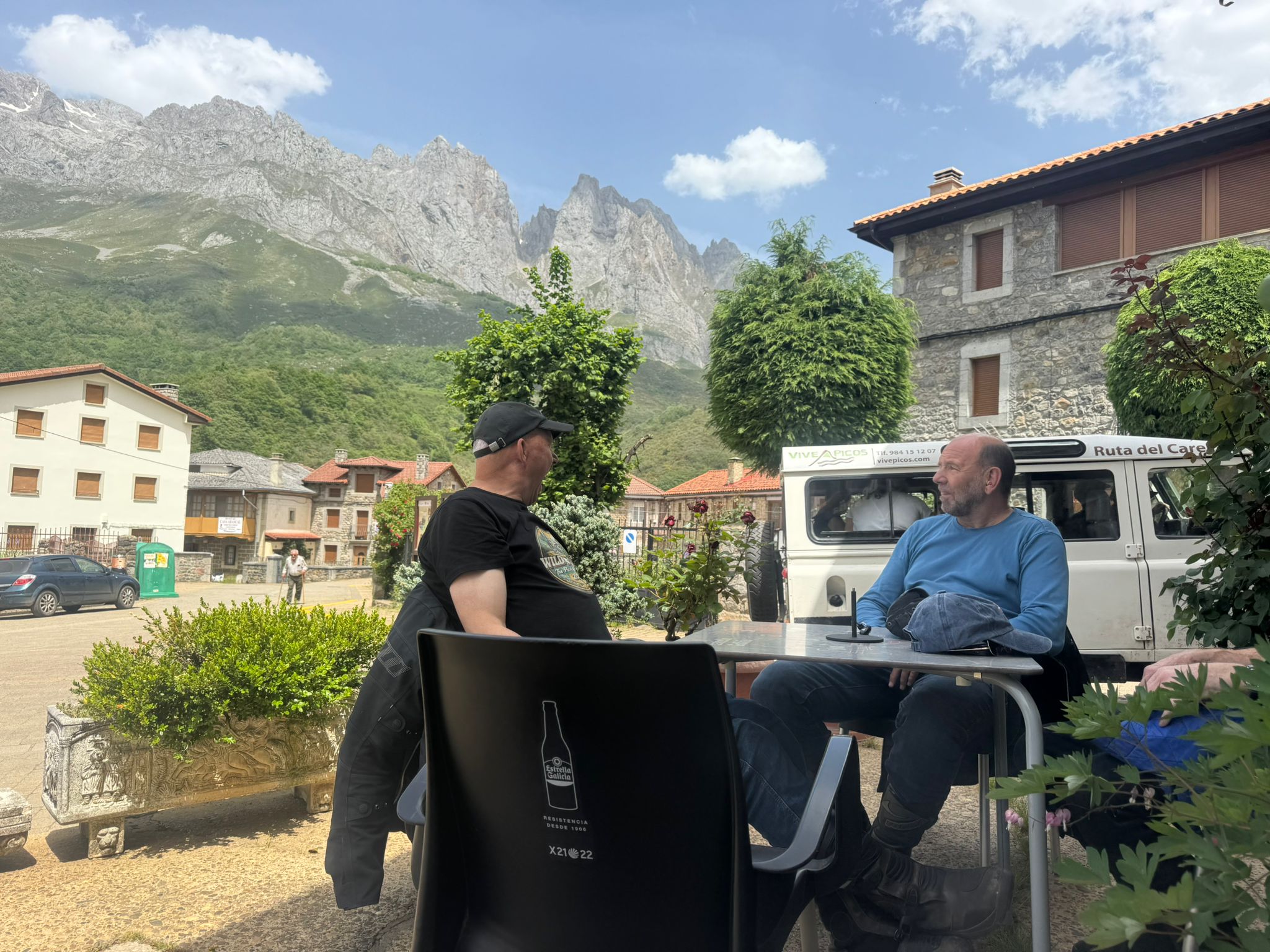
Ask a hundred bikers to name Europe’s great mountains and you’ll get the Alps, the Dolomites, maybe the Pyrenees. Almost nobody says the Picos de Europa, which is exactly why you should ride them. Three limestone massifs rising straight out of green valleys barely twenty kilometres from the coast, scored with gorges so deep the sun only reaches the bottom at midday. The roads here were never built for through-traffic because there is no through — every route is a dead-end into scenery, which means the surface is good, the corners are endless, and the traffic is a farmer in a van and the occasional cow.
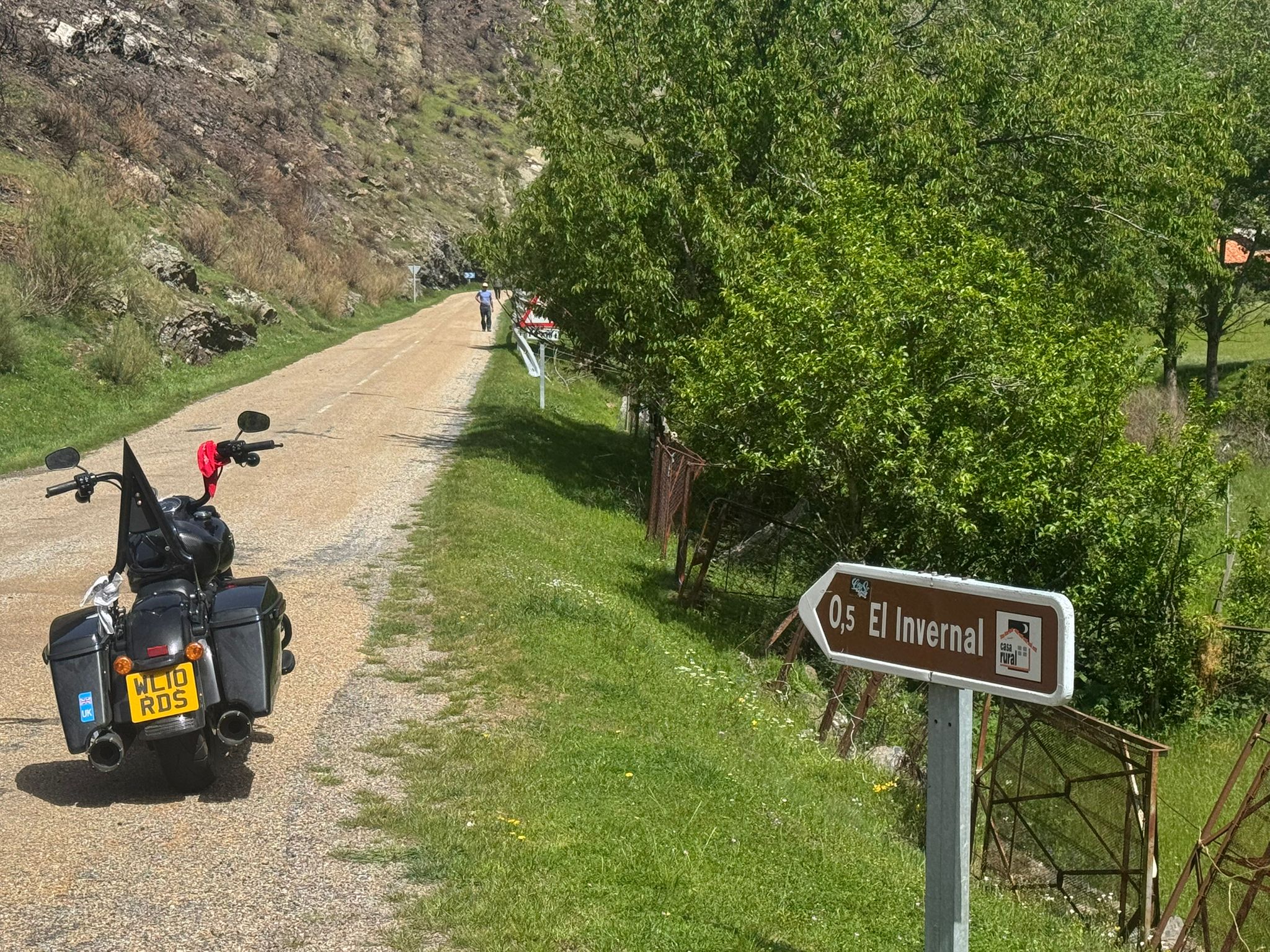
The riding is everything you came for. Around Potes and the southern flank the roads loop and stack over each other like switchbacks drawn by an enthusiast. Up towards Fuente Dé you climb into proper high mountain country, a cable car overhead carrying hikers to the Mirador de Cable while you take the road instead, better view, better soundtrack. Near villages like El Invernal the lanes narrow to single-track with grass down the middle, and you can stop in the middle of the road for a photo because nothing is coming. I’ve watched riders arrive at the first Picos viewpoint and just stand there grinning at their helmets. It happens every single trip.
For everything on the region in detail, our Picos de Europa touring guide covers the roads, the villages and where to stop.
reason two
The Pyrenees — the second act nobody sees coming
Just when a crew thinks it can’t get better, the route turns north and climbs into the Pyrenees. This is the other end of the same mountain wall that separates Spain from France, and the northern Spanish side is a motorcycling gift: the roads are quieter than the Alps by an order of magnitude, the surfaces are generally excellent, and the passes come one after another like a well-paced support act.
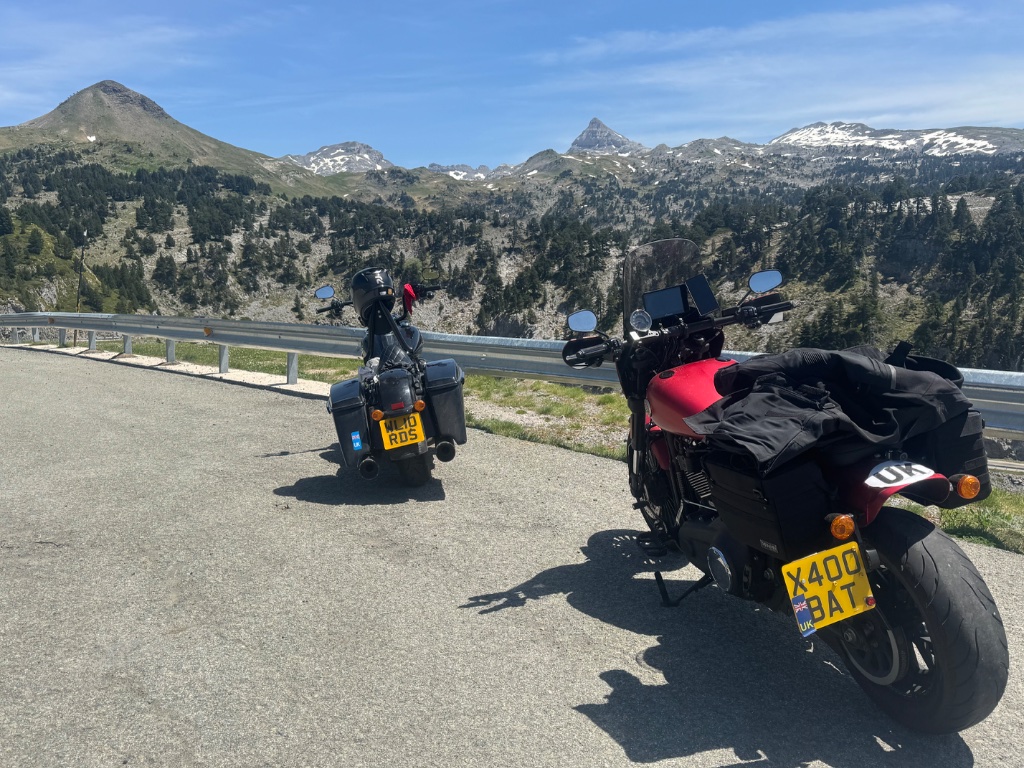
Crossing into France, the geography changes character — the Spanish side all deep green valleys and stone villages, the French side bare-topped ridelines and roads that cling to hillsides. Around the Porte de l’Horreur and the Larrau pass you’re riding single-width tarmac through beech forest with thousand-foot drops through the trees, and because the region is sparsely populated you can go an hour without seeing a car. Riders tell me the Pyrenean days were the ones they’d re-ride first. I agree with them.
reason three
Riding above the clouds
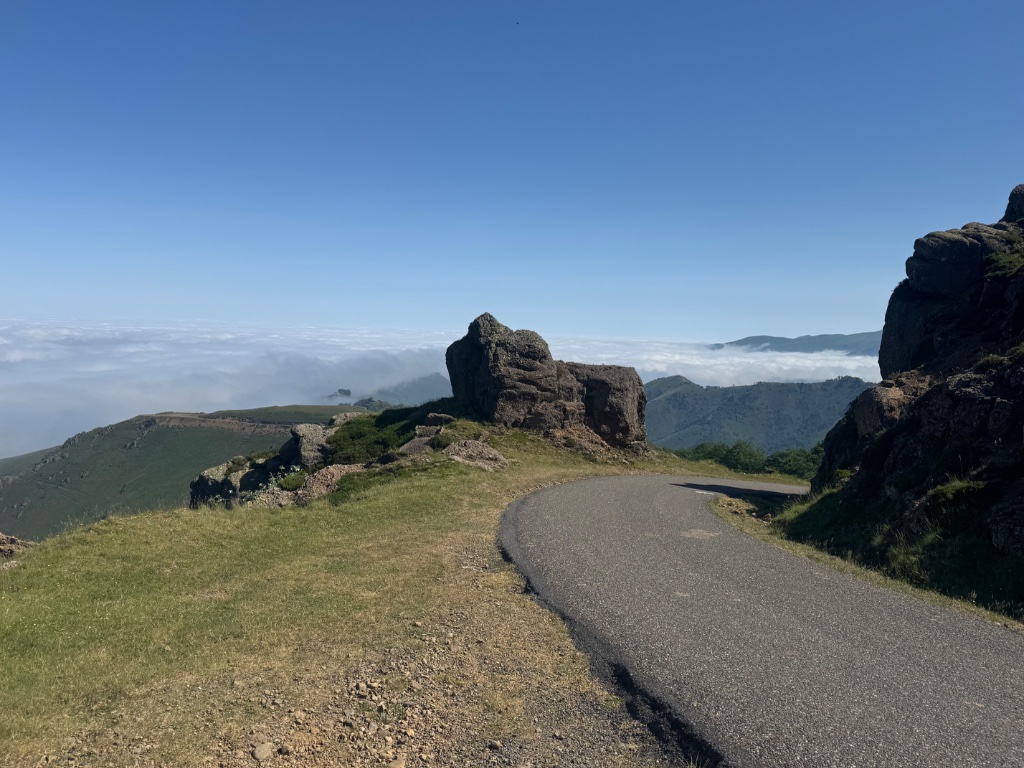
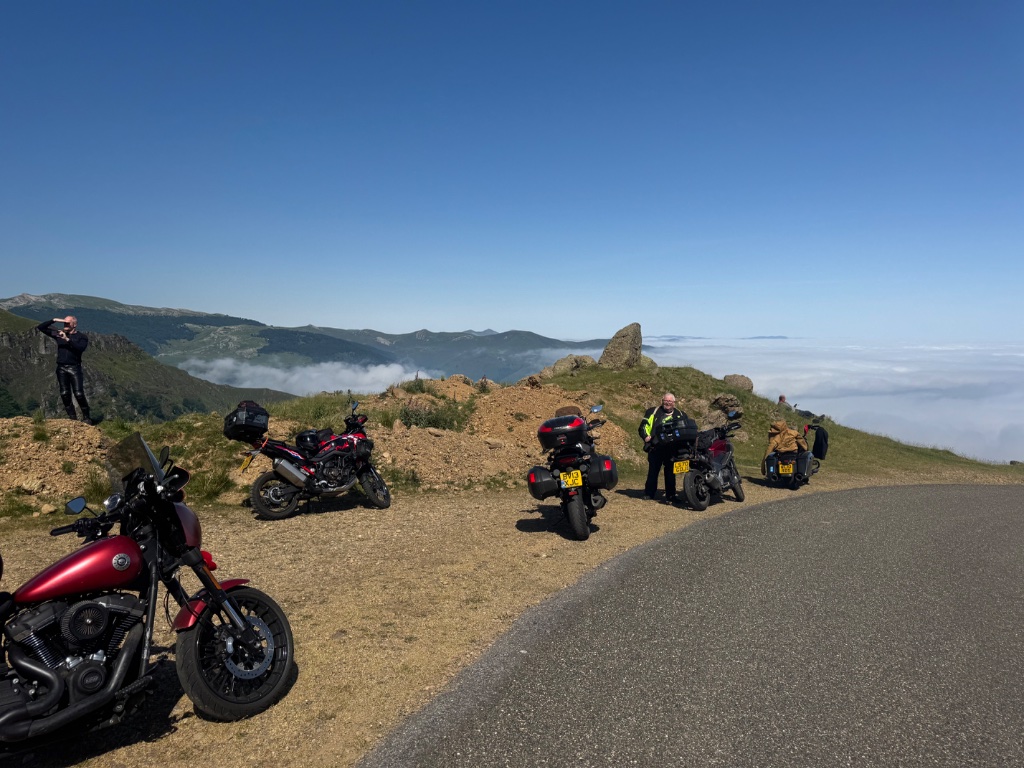
Some mornings the valley cloud inversion sits below the passes like a white sea, and you ride the last few kilometres with the road floating above it. This is the photo every rider goes home with: the bike parked on a col, nothing visible in any direction but cloud tops and rock, the world below just gone. On the May 2026 trip the inversion was so perfect one morning that we lost forty minutes to cameras and I don’t regret a second of it. You can’t book it, you can’t forecast it, and that’s precisely the point — the mountains decide to show off, and you happen to be there.
the club tour · 2027
Fancy riding this yourself?
Both 2027 departures run as Wild Roads club tours — every route, hotel, ferry crossing and café stop planned and booked, and what happens between breakfast and the evening hotel entirely yours. Ride solo, buddy up, or roll with the pack.
reason four
Empty roads — the passes to yourself
Here is the thing about the Alps: everyone rides them, in July, in convoy. Here is the thing about northern Spain: almost nobody does. Even in late August — peak European holiday season — our riders spent entire mornings on mountain roads without queuing behind a single caravan. The Picos and the Spanish Pyrenees sit just far enough off the main tourist arteries that the roads stay clear, and the club tour format means you’re not riding a twelve-bike procession either. You get the corner to yourself, the pass to yourself, and the viewpoint to yourself.
And the surfaces deserve a mention, because they make the difference between a road you endure and a road you enjoy. The main mountain routes here are smooth, grippy and well-drained, and the little lanes that connect them are good enough to ride hard. Your tyres, your suspension and your confidence all get an easy time of it.
reason five
Two seasons, two completely different tours
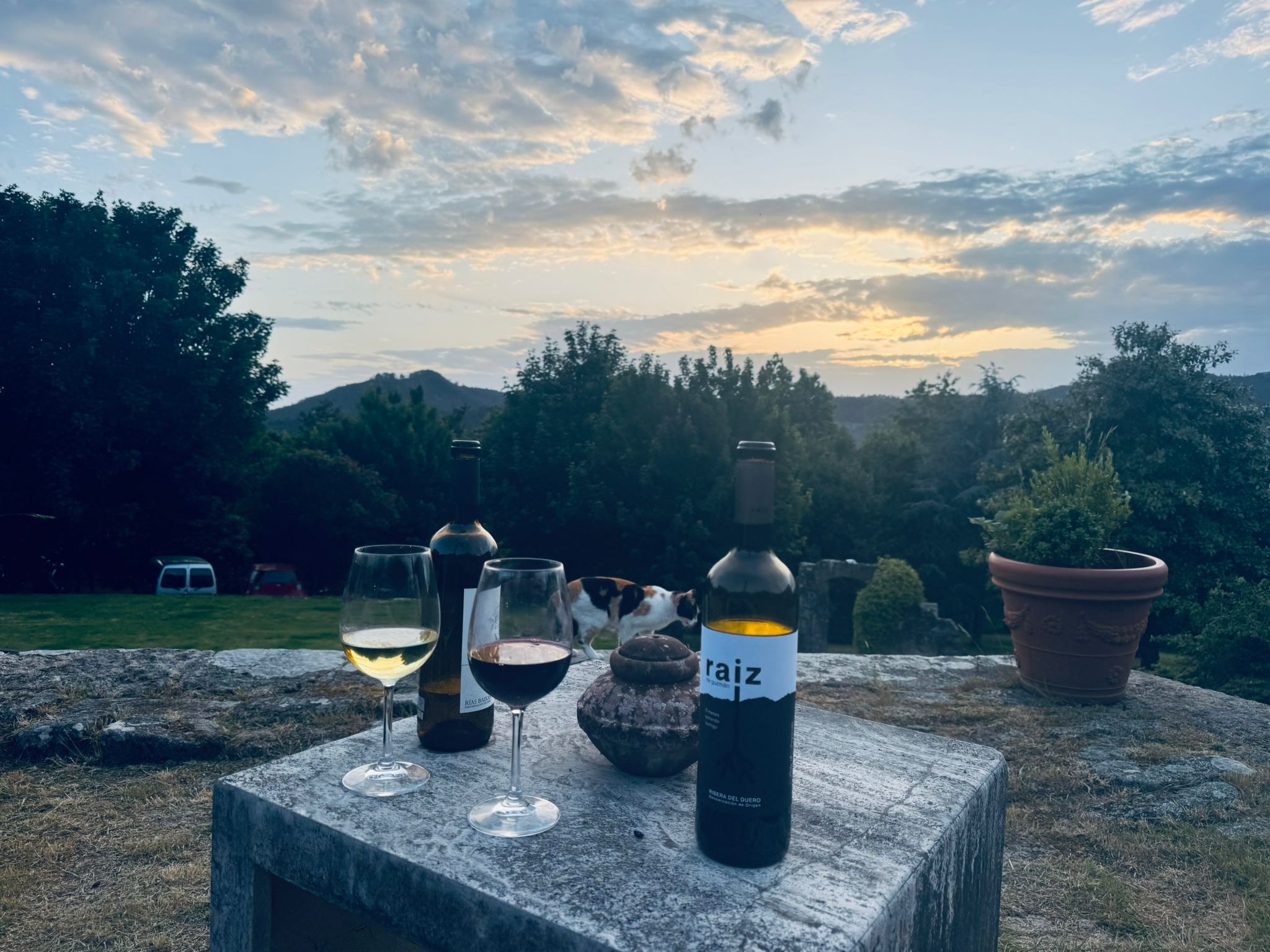
Running the same route in May and August this year was the best product test I could have given it, and both versions passed. Late May is northern Spain at its greenest: the valleys glowing, the air crisp, the high passes just opening, and everything quiet before the summer proper. August is the confident version: high summer on the tops, dry passes, long golden evenings that stretch dinner into nightfall, and a sea temperature at Santander that makes the last swim of the trip a genuine event.
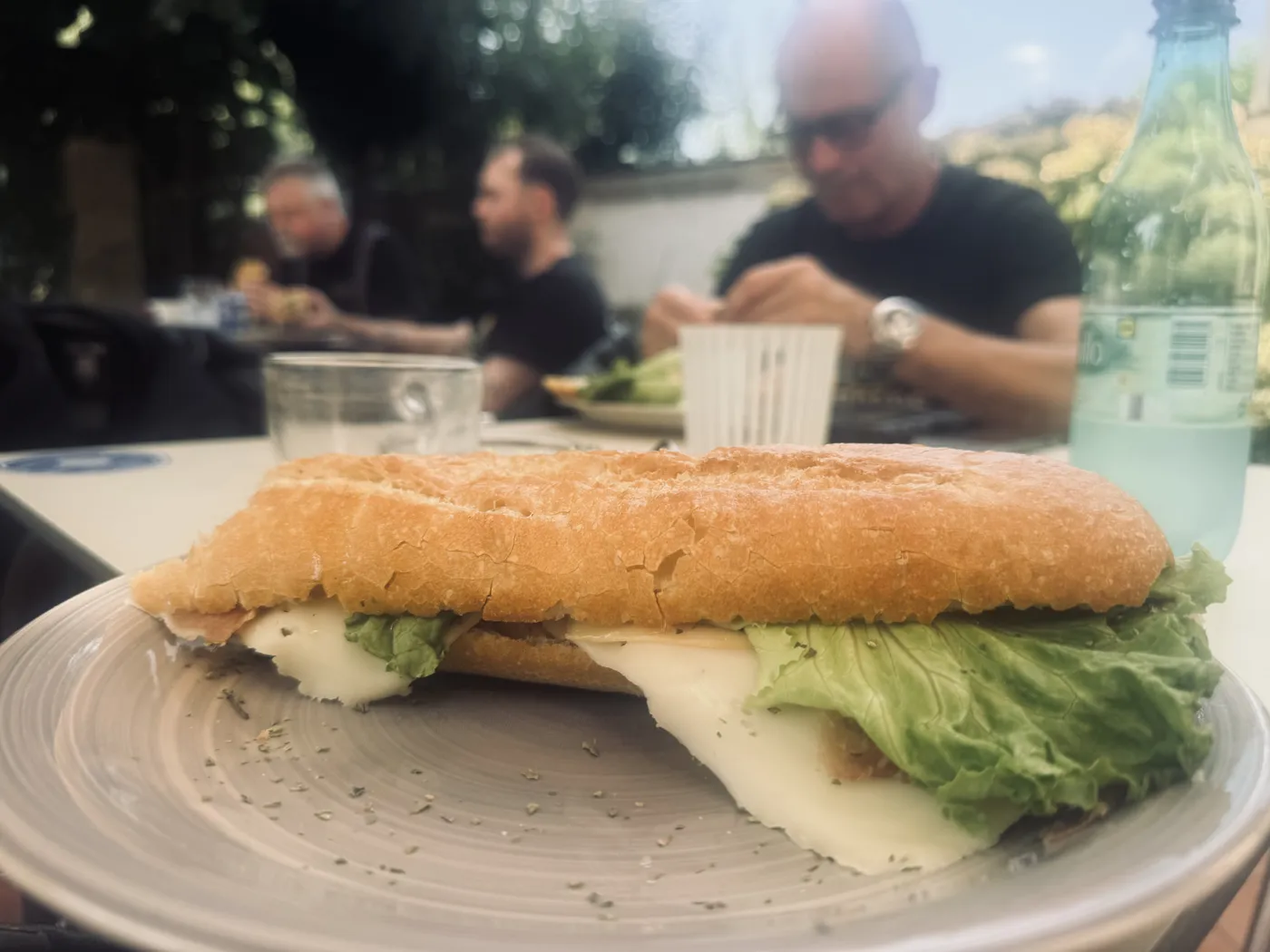
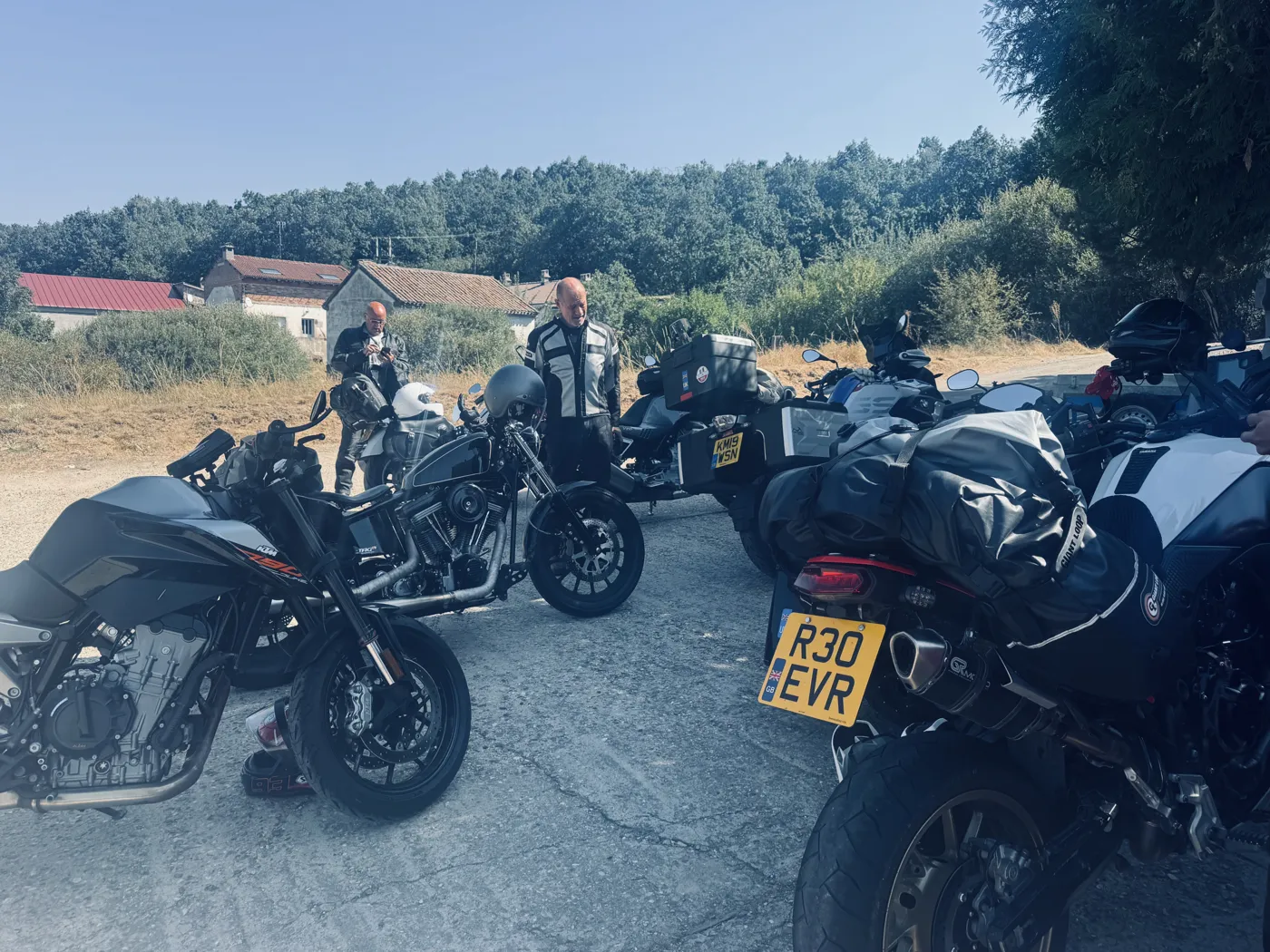
The 2027 departures give you both characters: 25 May – 8 June for the spring-green version and 3 – 17 August for high summer. Pick whichever matches your calendar — riders who’ve done both argue about which is better the way old friends argue about football, which is to say, forever and with great affection.
reason six
Galicia — the green surprise nobody expects
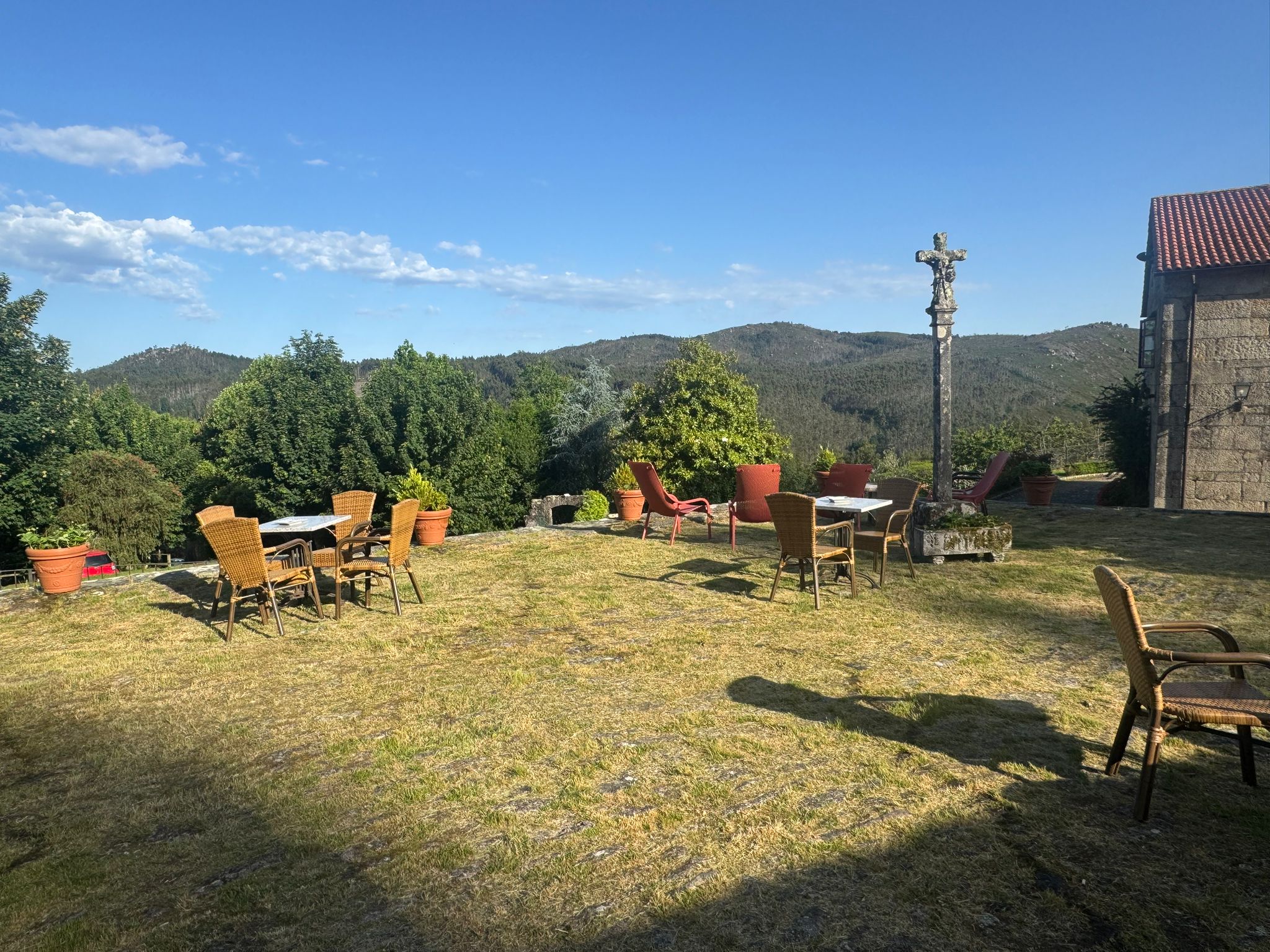
Ask anyone on the trip beforehand what they know about Galicia and you’ll get a blank look. Ask them afterwards and you’ll get a ten-minute monologue. This is Spain’s forgotten green corner — more western Ireland than Andalusia — with stone-walled fields, river valleys and roads that roll through them like a friendly version of Wales. We ride through country around Samos and its monastery, and finish near Santiago de Compostela, whose cathedral has been the end point of pilgrim roads for a thousand years and is well worth the walk to see.
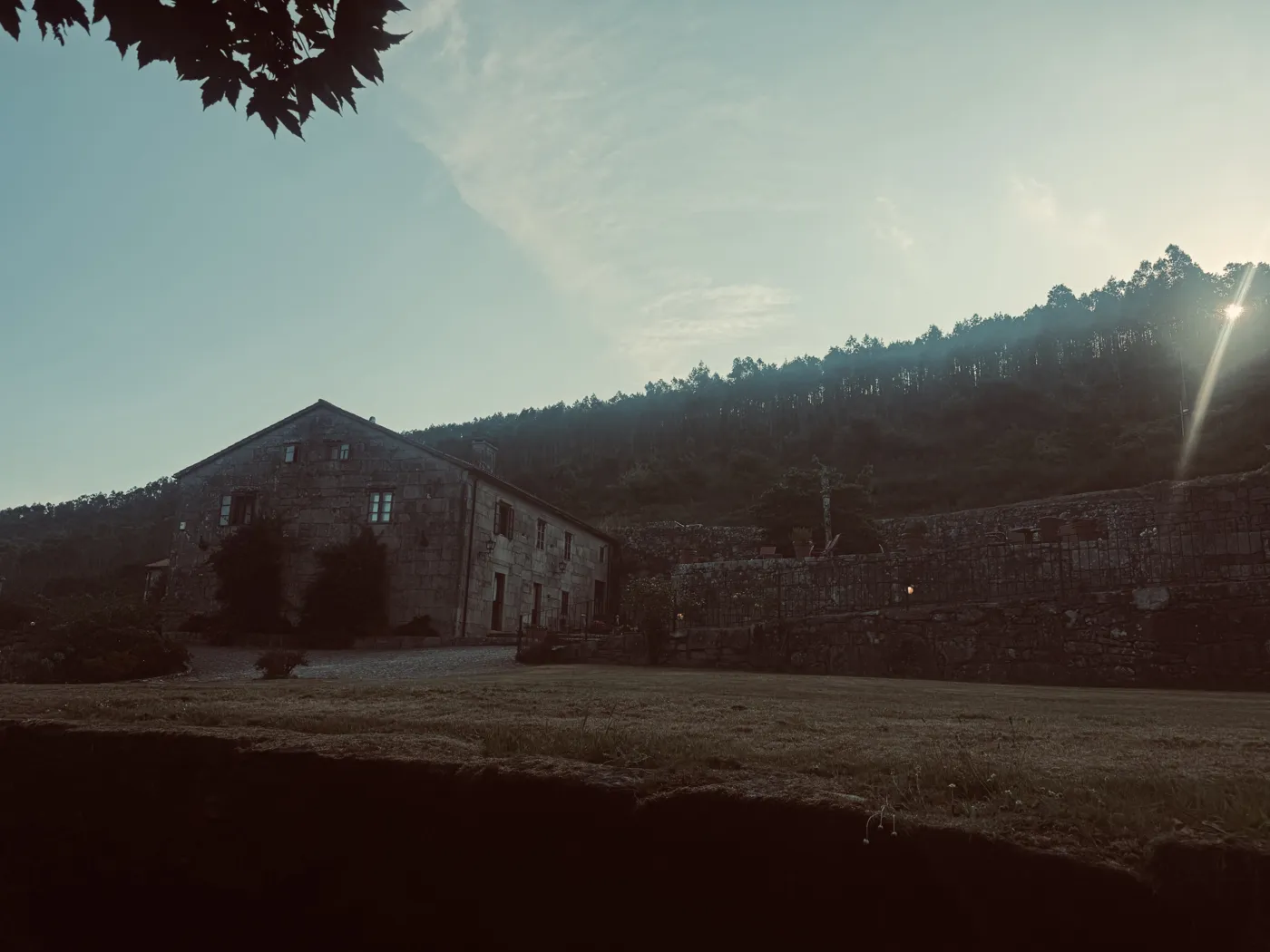
The nights here are among the best of the trip. We stay at a restored Galician farmhouse where the welcome involves the terrace, the evening sun, an Albariño from the Rías Baixas and dinner that runs long because nobody wants it to end. If the Picos are the headline act, Galicia is the song that gets stuck in your head on the way home.
reason seven
The food — cider houses, pintxos and mountain lamb
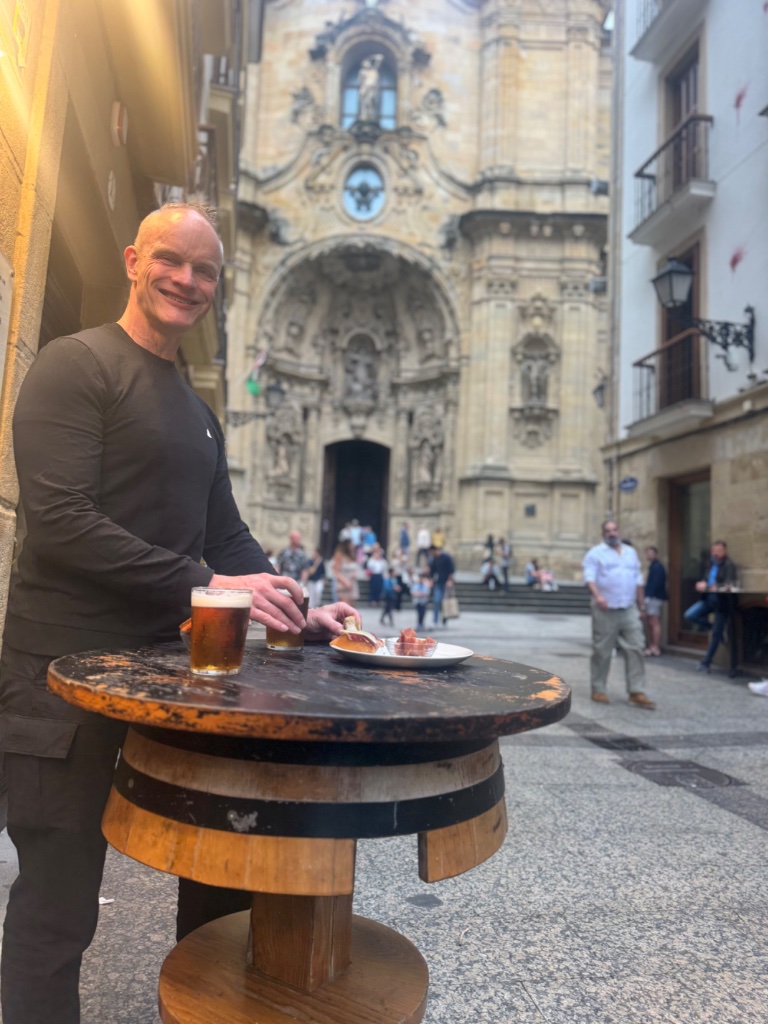
No article about this route is honest without a proper paragraph about eating, and honestly it deserves three. The north of Spain eats like it rides — seriously, regionally, and with total conviction. In Asturias and Cantabria there are cider houses where you catch the pour from a height to wake the apple up. In León it’s morcilla and slow-cooked lamb after a day in the mountains. In the Rioja, wine country in every sense. In Galicia, pulpo à feira and Albariño by the sea. And in the Basque Country, San Sebastián’s old town bars do pintxos the way others do degustation menus — one small perfect thing after another, standing up, with the bikes parked outside.
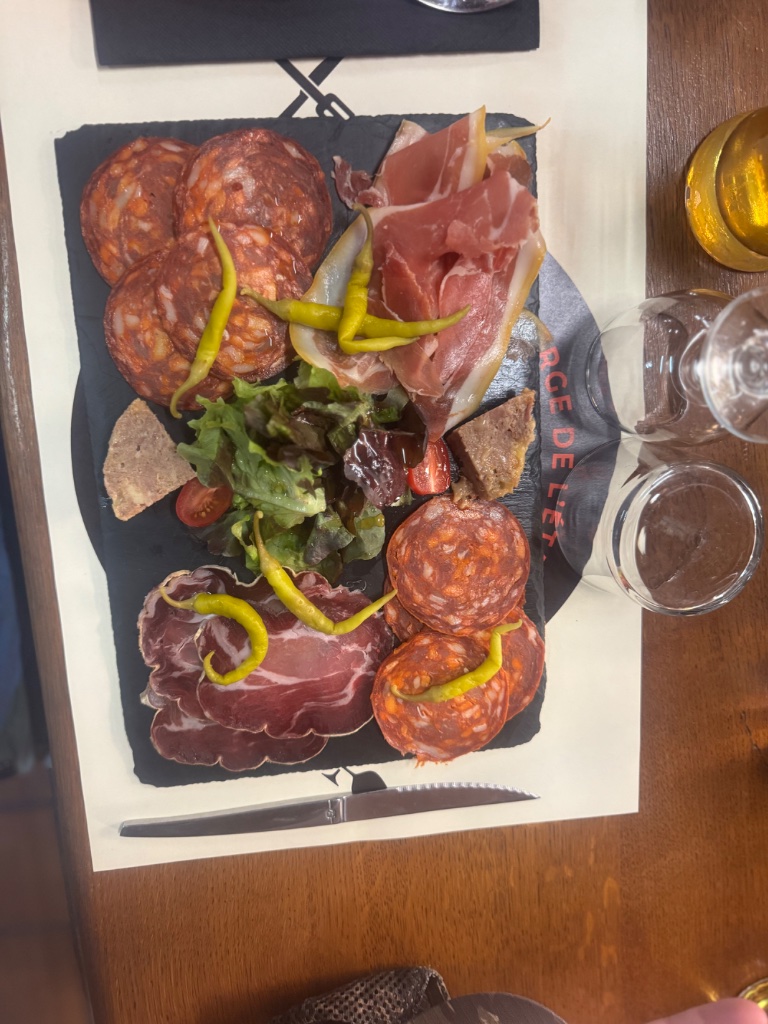
Over the border in France the mountain cooking gets richer — Bayonne ham, Ossau-Iraty cheese, confit duck in village auberges — and our crews never once needed persuading to do it justice. The tour is half-board light by design: breakfast is always in, and the rest of the day’s eating is your adventure, guided by our recommended stops in the app. Some of the best evenings of both 2026 trips happened around tables, not handlebars.
reason eight
The hotels — paradors, farmhouses and hilltop houses
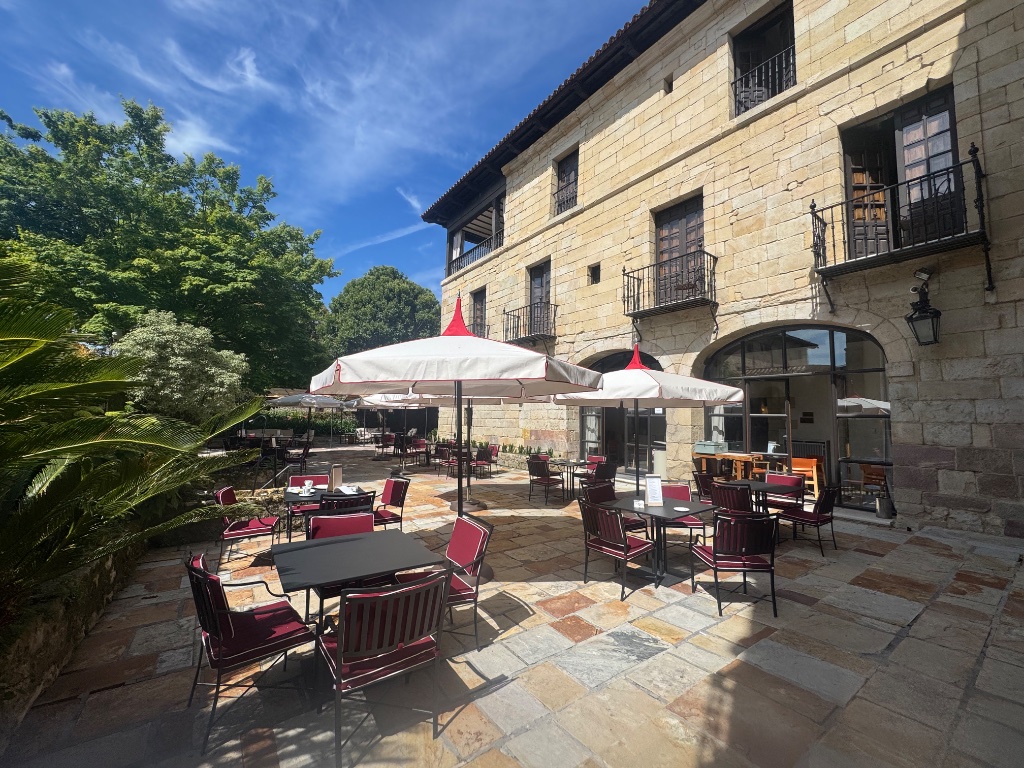
Where you sleep after eight hours of mountains decides whether a trip is good or great, and this route is flat-out spoilt. We stay in paradors — Spain’s state-run hotels in historic buildings — including one night in Santillana del Mar, a medieval town so perfectly preserved it feels film-setted, where the Parador Gil Blas is a 15th-century manor house with a terrace you’ll have to be dragged off. There’s a hotel at Fuente Dé sitting in mountain meadows under the cable car, a Galician farmhouse with log fires and stone barns, a hilltop house above Bilbao with the whole estuary laid out below, and French auberges where the dining room is the whole event.
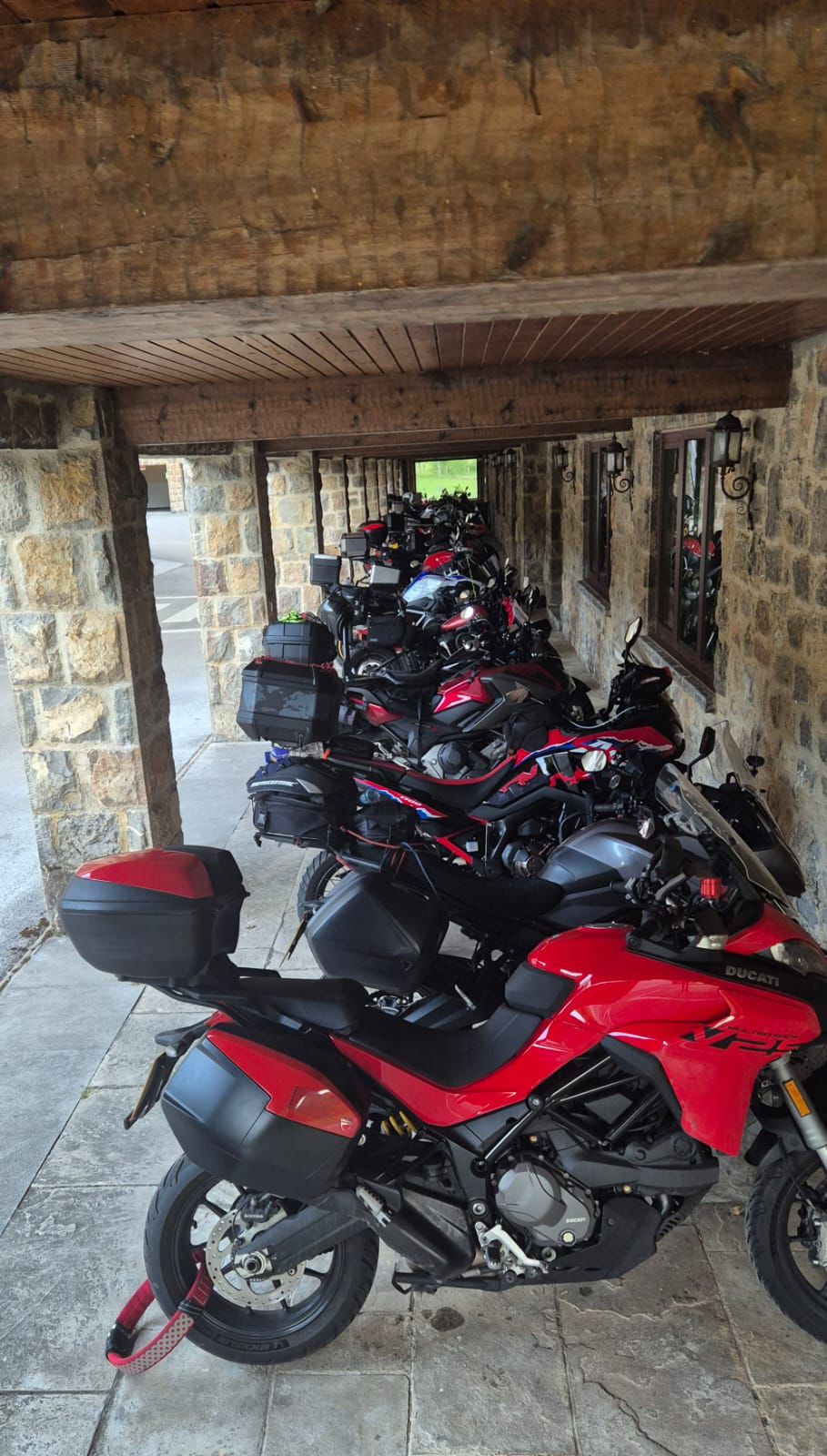
I pick these places myself, ride to them myself, and stay in them on my own tours, which is the only quality control that actually means anything. Several are hotels riders rebook privately for their own trips afterwards, which I take as the highest compliment on the route.
reason nine
Britain’s easiest big motorcycle tour
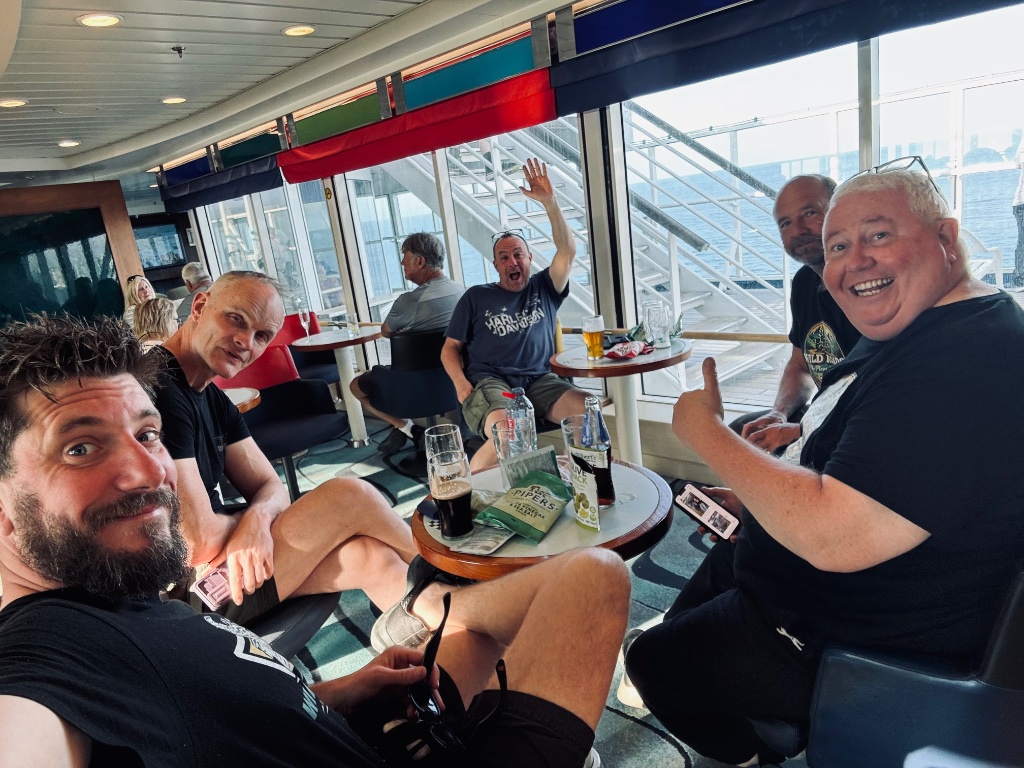
Everything about the logistics of this trip favours the first-time continental rider. You board an overnight ferry from Plymouth with a private cabin, sleep across the Bay of Biscay, and ride off the ship in Santander straight into the mountains — no motorway grind across France, no 5am Chunnel queues, no first-day fatigue. The whole tour is around 1,800 miles over fifteen days, averaging under 150 miles a day, which leaves room for the long lunch, the extra viewpoint and the second coffee. It is, genuinely, the gentlest possible entry into European touring that still counts as a proper adventure — and plenty of experienced riders love it for exactly the same reasons.
On the way home, the ferry turns into the best last-night party in touring: the bar, the sunset over the Bay of Biscay, and a crew that started the trip as strangers comparing favourite corners. I’ve watched a lot of goodbyes at Portsmouth and they’re always longer than the ferry crossing schedule allows for.
reason ten
The crew — the bit you can’t photograph properly
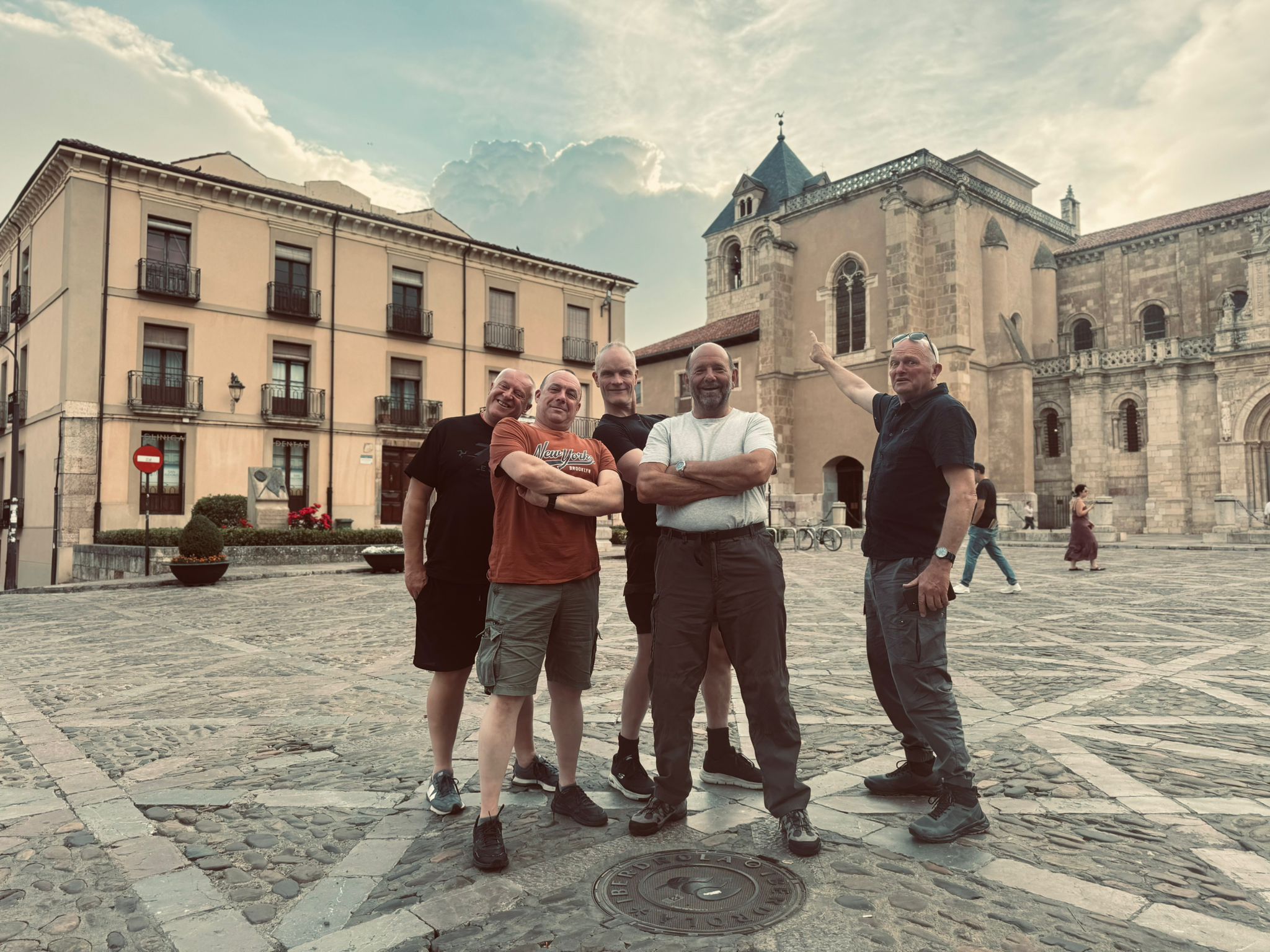
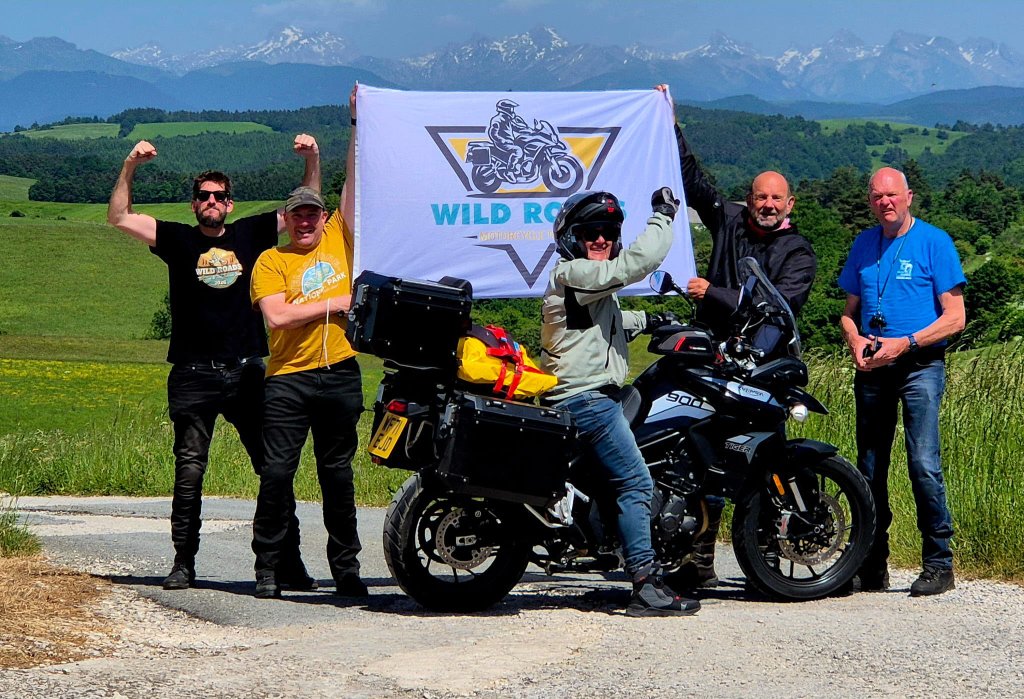
Every tour runs with 8–10 riders, which is small enough that by day three nobody’s a stranger and by day ten you’ve got plans to meet up again. Riders arrive solo, in pairs, on Harleys, on GS’s, on old Triumphs; what they have in common is that they chose fifteen days of proper riding over a fortnight by a pool. The club tour format keeps it that way — you ride your own ride through the day, then the evening regroups everyone at the same hotel with stories from the same roads, told from different angles. The WhatsApp group is still going months later on some of our trips.
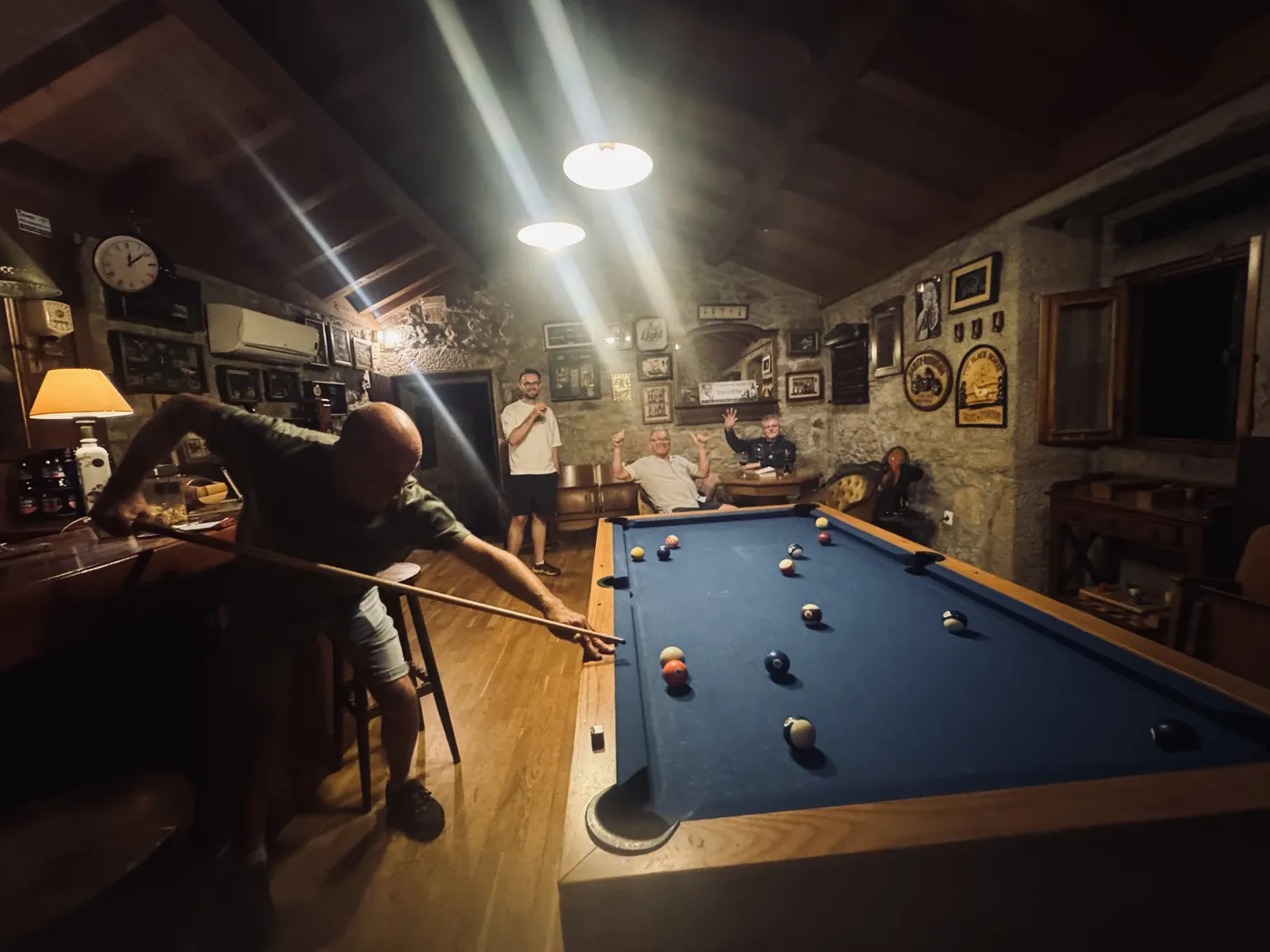
In 2026 I watched a May crew of complete strangers plan a reunion ride before the ferry docked, and an August crew where two riders discovered they live twenty minutes apart. That’s not a selling point I can put on a price list, but it’s the thing riders email me about months later.
don’t take my word for it
What riders said about the 2026 trips
This was a true adventure, riding some of the most incredible roads imaginable… Every viewpoint Josh had chosen along the route seemed to outdo the last. The roads, the scenery, the laughter, and the friendships made along the way are memories that will stay with me forever.Russel AstillPicos & Pyrenees, June 2026 · via Google Reviews
Well organised but not constrained, with riders free to ride at their own pace… a brilliant mix of tight, technical mountain roads in the Picos and flowing, scenic riding through the Pyrenees. I came back a more confident and relaxed rider.Andrew PotterPicos & Pyrenees, June 2026 · via Google Reviews
Some of the best roads and scenery I have been privileged to see — and I’ve been to the Rockies and Alaska. Josh is a great host and picked some fantastic hotels.Allan & Maureen MacintyrePicos Tour, May 2026 · via Google Reviews
There are more in our verified reviews section, and the photos from both trips are up in full in the May 2026 gallery and the August 2026 gallery.
ride it in 2027
The 2027 Picos & Pyrenees Club Tour
Both 2027 departures run as Wild Roads club tours — the format where everything is planned, booked and ready for the group, and what happens between breakfast and the evening hotel is entirely yours. Ride solo, buddy up, or cruise with the pack: same routes, same hotels, same recommended stops, total freedom in between.
Departure 1 · Spring
25 May – 8 June 2027
15 days · 14 nights
Departure 2 · Summer
3 – 17 August 2027
15 days · 14 nights
Group Size
8–10 riders
~1,800 miles
From
£5,200 per person
Early-bird pricing
Included: the return Plymouth–Santander ferry with private cabin, every night in handpicked hotels, daily breakfasts, full route planning with GPX files, the Wild Roads touring app with recommended cafés, viewpoints and lunch stops, the group WhatsApp, and 24/7 remote support behind you the whole way. A £1,500 deposit secures your place, with the balance not due until 120 days before departure. You can see the full route stage-by-stage and grab the tour pack on the tour page, and every departure and date for next year is in the 2027 tour pack downloads.
planning
Picos & Pyrenees FAQs
In northern Spain, forming part of the Cantabrian Mountains roughly 20km from the Asturian coast. They sit within a national park and are usually reached from the market town of Potes, about 40 minutes’ drive inland from the port of Santander.
The route is genuinely accessible. Daily distances average under 150 miles, the surfaces are excellent, and there is no off-road riding. You need to be comfortable riding your own bike and happy on mountain roads with hairpins — the pace is a relaxed touring pace, not a sports ride, and riders of all backgrounds finish the trip faster and smoother than they started.
No. Riders have done this route on Harleys, Gold Wings, Triumph classics, an Africa Twin and everything between. Any road-legal bike you’re happy to spend a week on will love these roads.
Yes to both — riders bring their own bikes on every departure and pillions are always welcome. The ferry, hotels and routes all work for two-up touring.
A club tour is the best-of-both format: everything is planned, booked and ready for the group — the hotels, the ferry, the routes, the recommended stops — and what happens between mornings and evenings is entirely up to you. There’s no guide riding lead and no formation to hold; you ride your own ride, and the group regathers each evening at the same handpicked hotel, with 24/7 remote support behind you the whole way.
The return Plymouth–Santander ferry with private cabin, 14 nights in handpicked hotels, daily breakfasts, full route planning with GPX files, the Wild Roads touring app with every café, viewpoint and lunch stop, access to the group WhatsApp, and 24/7 remote support. Lunches and evening meals are left to you so you can eat your own way through the region — with plenty of recommendations in the app.
Late May into June for the green spring version, or August for high summer on the passes with long golden evenings. Both 2027 departures are excellent — pick the one that suits your calendar.
The tour starts and finishes in Plymouth, Devon. Riders arrive the evening before departure and board the overnight Brittany Ferries crossing to Santander together; the ferry crossing with private cabin is included in the tour price.
From £5,200 per person for the 2027 club tour departures, with early-bird pricing live now. A £1,500 deposit secures your place and the balance isn’t due until 120 days before departure. See the tour page for the full pricing breakdown.
ready when you are
Ride The Picos & Pyrenees In 2027
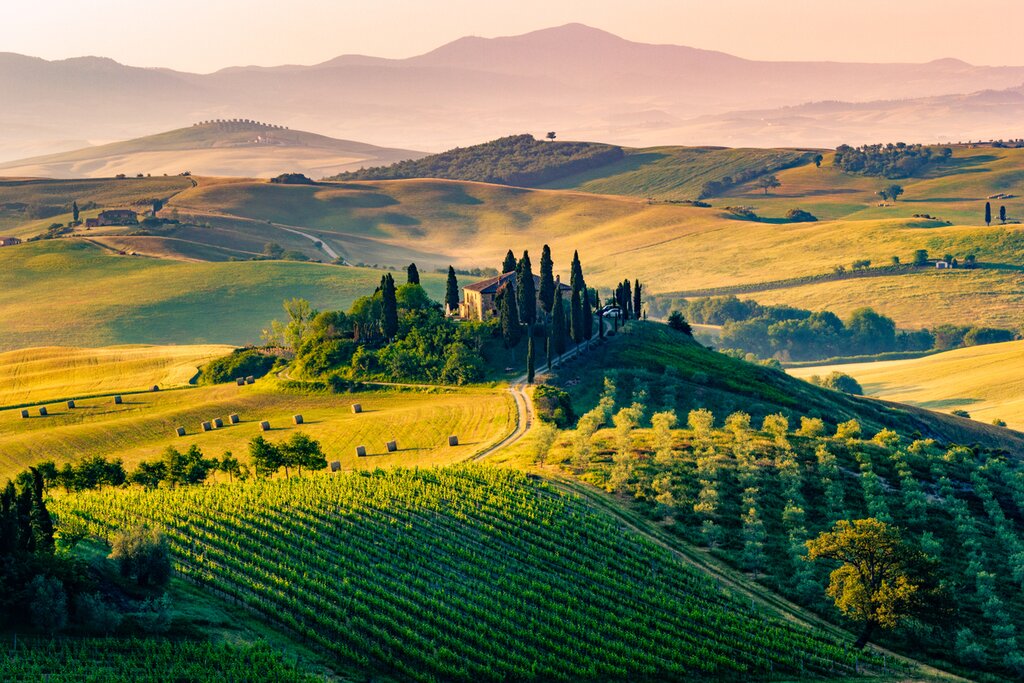
Two departures — 25 May and 3 August 2027 — each limited to 8–10 riders. Handpicked hotels, the ferry, every route and GPX file on our touring app, and a ready-made crew of fellow riders. A £1,500 deposit secures your place, and the balance isn’t due until 120 days before departure.